

15.01.2026 Updated: TransIndus
2026 is shaping up to be a landmark year for intentional, culturally immersive travel in Asia. Visa liberalisations, new flight routes and a shift toward slow, experience-focused tourism mean that lesser-known destinations are finally getting their moment in the sun. Each month below highlights one or more standout Asian destination(s), chosen for its ideal climate and unique cultural or natural experiences, along with insider tips and verified travel information.
January: Desert Tranquility in Oman

Why visit in January: Winter in Oman (peaking in January) brings pleasantly mild weather (Muscat averages ~25°C) and clear skies. In January the heat is gentle, ideal for outdoor activities and desert camping.
Highlights: Jeep safaris in the golden dunes of Wahiba Sands, and trekking the lush terraces of Jebel Akhdar are two exciting options to add to your itinerary past the cultural richness of the capital. TransIndus tip: Oman’s famed sea-turtle nesting season peaks in summer, so turtle-watching at Ras al Jinz is quieter now.
Off the beaten track: Skip Muscat’s crowded souqs in favour of the Musandam Peninsula, often called “the Norway of Arabia,” with its steep, forested fjords. In the desert, choose a family-run Bedouin camp in Wahiba Sands for an authentic overnight under the stars. For a tropical twist, fly to Salalah in the south – its relatively undeveloped beaches and frankincense groves are rarely crowded by international tourists in winter.
February: Art Islands in Northern India

Why visit in February: The dry winter weather is pleasant across North and Central India, with days in the high teens °C, ideal for sightseeing before the summer heat. This is peak season in Rajasthan, and Udaipur shines. In fact, Condé Nast Traveller named Udaipur (the romantic “City of Lakes”) on its Best Places to Visit in 2026. The tranquil lakeside promenades, boat rides on Lake Pichola and Mughal-style City Palace gardens are delightful in the crisp air.
Highlights: Explore Udaipur’s grand palaces and temples in cooler weather. Don’t miss the carved marble Jagdish Temple and a sunset boat cruise with palace reflections in the water.
Off the beaten track: Journey 90 minutes north to Ranakpur to admire its 15th-century Jain Temple – over 1,400 intricately carved marble pillars and very few visitors. Alternatively, head south to Goa – February brings the end of peak party season and a lush monsoon hangover. On the quieter beaches of Goa and in its gentle villages, you’ll find Ayurvedic spas, yoga retreats and affordable long-term rentals as the island reboots for a wellness vibe.
March: Ancient Ruins of Uzbekistan

Why visit in March: Spring in Uzbekistan is ideal for sightseeing, with temperatures ranging between 20-25°C in the daytime. March is slightly colder, at an average of 10-15°C, but you have the advantage of beating the crowds before the peak spring season of April-May. As of January 1 2026, Americans can enter Uzbekistan visa-free for up to 30 days, joining existing countries like the UK in journeying the Silk Road that bit easier. The jewel-toned mosques and madrasas of Samarkand and Bukhara glow under clear skies.
Highlights: The main attraction is of course admiring the architectural brilliance of Uzbekistan. Walk under Samarkand’s Registan gazebos of tilework, and see the gilded minarets of Bukhara’s mosques. Each is a UNESCO World Heritage site – Samarkand as a crossroads of cultures, and Bukhara as a well-preserved medieval Islamic city.
Off the beaten track: Uzbek hospitality is famously warm. Explore the Fergana Valley, where you can take hands-on pottery workshops in Rishtan’s blue-green ateliers or learn to bake bread in a clay tandir oven in a countryside yurt (an experience many travellers say was a highlight of their trip). These experiences epitomize the Uzbek ethos of hospitality (“a guest is a blessing from God”) and let you connect with daily life beyond the usual itineraries.
April: Spring Blooms in Japan and Taiwan

Why visit in April: This is prime sakura season. In Japan, April brings mild spring weather and a burst of pink cherry blossoms. Hanami (flower-viewing) picnics and festivals animate city parks and temple gardens from Tokyo to Kyoto. Meanwhile, the sakura season in Taiwan runs from late winter into early spring, so visitors can chase blooms from Taipei’s Yangmingshan into mountain areas like Alishan, often against lush green backdrops and with fewer crowds than in Japan.
Highlights: See iconic blossom spots – for example Tokyo’s Ueno Park or Kyoto’s Philosopher’s Path – in full bloom and join the festive hanami tradition. In Taiwan, don’t miss the cherry and plum blossoms around Sun Moon Lake or Yangmingshan National Park, which bloom slightly later.
Off the beaten track: Escape the crowds in Japan by visiting smaller towns and parks. For instance, Hirosaki Castle Park in Aomori lights up its cherry trees at night for magical nocturnal viewing. In central Japan, the historic town of Takayama (in the Alps) holds a spring festival with ornate floats amid its old wooden streets. In Taiwan, consider Alishan National Park, which transforms into a dreamlike landscape of misty forests and blooming cherry trees.
TransIndus tip: Taiwan’s sakura bloom lasts for several months, peaking February–March. Because the island’s peaks run north–south, you can plan a flexible itinerary by altitude – for example enjoying early blooms in the north in February, then chasing late blooms (and alpine peach blossoms) on Alishan in April. The result is one of Asia’s longest cherry-viewing seasons. Taiwan’s scenic roads, relaxed vibe and mountain backdrops make its cherry season uniquely rewarding.
May: Jordan's World Wonder in the sun

Why visit in May: Late spring brings warm, settled weather across Jordan, with daytime temperatures typically in the low-to-mid-20s °C. The winter rains have passed, skies are clear, and visibility is excellent – ideal for photography and desert exploration. In early May, the landscapes still hold traces of spring greenery in wadis and highlands, while the heat of midsummer has not yet arrived – but it will do in June! Long daylight hours and golden evening light make this one of the most atmospheric months to explore Petra, Wadi Rum and the classical cities.
Highlights: Explore the Nabatean city of Petra in comfortable conditions, entering the Siq in the soft morning light and watching the Treasury glow rose-gold at sunset. Wander the remarkably preserved Roman city of Jerash, where colonnaded streets, temples and theatres can be enjoyed without winter chill or peak-summer heat. Visit Mount Nebo for sweeping views across the Jordan Valley and The Dead Sea, and continue to Madaba to admire its exquisite Byzantine mosaics.
Off the beaten track: Venture into the Dana Nature Reserve for gentle spring walks among sandstone cliffs and traditional villages, or hike the water-carved gorges of Wadi Mujib before summer temperatures rise. These lesser-visited regions reveal Jordan’s natural depth far beyond the classic circuit.
June–August
India: Monsoon Wellness

Why visit in June–Aug: Most tourists avoid India’s monsoon, but 2026 is seeing a pivot: “rainy season” travel and wellness is trendy. Prices for lodging and flights drop drastically, landscapes turn emerald green, and cultural life slows to a leisurely pace.
Highlights: Coastal Goa becomes sparse, with surfable waves, lively cafés, and a growing digital-nomad community. In Kerala, houseboats navigate rain-swollen backwaters under steamy skies.
Off the beaten track: Summer is a great time to join an Ayurvedic wellness program or yoga retreat – many locals say monsoon is the best time for spa treatments (humidity helps the body absorb oils).
Indonesia – Dry Season Culture & Wellness

Why visit in June–August: This is Indonesia’s prime dry season, with warm, sunny days and low humidity, particularly in Bali, Java and the eastern islands. Seas are calm, making it ideal for island-hopping, snorkelling and coastal cruising, while the cooler evenings in the highlands suit cultural touring and gentle walking. The period also aligns with a growing focus on slow travel and wellness, with yoga retreats, spa resorts and spiritual experiences at their best.
Highlights: In Bali, combine temple visits and rice-terrace walks around Ubud with time on the coast in Uluwatu or Sanur. In Java, explore Borobudur and Prambanan in clear weather, their stone reliefs sharply defined in the dry-season light. Lombok and the Gili Islands offer excellent snorkelling, coral reefs and relaxed beach stays, while Komodo National Park and Flores provide dramatic landscapes and encounters with Komodo dragons alongside superb marine life.
Off the beaten track: Travel to Raja Ampat for extraordinary snorkelling and pristine reefs.
China: Summer Peaks and Hidden Valleys

Why visit in June–Aug: The varying climates across the span of China means summer conditions vary. In mountain areas like Huangshan, summer is beautiful. Expect lush forests and spectacular sea-of-clouds vistas, plus thundery afternoon rains that adorn the peaks with mists. Guizhou offers humid monsoon charm: towering karst hills, cool caves, and vibrant Miao and Dong minority villages with their own summer festivals.
Highlights: Trek Huangshan’s stone steps to sunrise from Lotus Peak over a misty cloud sea – summer is known as the peak season for its waterfalls and greenery. Wander the narrow alleys of Xidi and Hongcun (Anhui Province) – UNESCO heritage villages beside Huangshan, showing Ming–Qing architecture in a countryside setting.
Off the beaten track: Southeast Yunnan’s Yangshuo remains a delight: cycle rice paddies, kayak past limestone karsts, and sleep in a bamboo hut on the Xi River — no expensive permits, just timeless scenery.
September–November
Vietnam – Da Lat: Vietnam’s Highland Revival

Why visit Sep–Nov: This is autumn/winter season in much of Southeast Asia – generally dry, crisp and temperate (~15–20°C). Da Lat itself is basking in the limelight: National Geographic cited it as the top spot in the world to watch morning “cloud hunting” over valleys. In 2025 it also drew attention as a rapidly emerging hub for eco-tourism and creative retreats. Surrounded by lakes and pine forests, Da Lat’s flower farms and waterfalls come alive in the gentle season.
Highlights: Wake before dawn and climb any surrounding ridge to see the mist fill the valley – a surreal “sea of clouds” over tea plantations. Bike the piney hills and visit the famous Crazy House or enjoy a coffee at sunrise by Xuan Huong Lake. October’s Flower Festival turns the town into a floral art show.
Off the beaten track: Da Lat’s charm lies in its authentic mountain-town vibe – sample the countryside homestays and freshly brewed highland coffee that Vietnamese honeymooners love.
Thailand – Chiang Rai: Northern Slow-Travel Gateway

Why visit Oct–Nov: October brings Thailand’s “cool season” – warm days (20–28°C) and minimal rain. A new direct flight from Singapore began service on 1 January 2026, making Chiang Rai easier to reach than ever.
Highlights: Beyond Chiang Rai town’s famous White Temple and Blue Temple, explore tranquil hill-tribe villages in the mountains north of town. October’s Loy Krathong (and Yi Peng lantern festival) lights up Chiang Rai’s temples. The nearby Golden Triangle overlooks where Laos, Myanmar and Thailand meet on the Mekong.
Off the beaten track: Wander the Sunday Walking Street market for crafts and street food with far fewer tourists than Bangkok’s markets, a delicious holiday treat.
Nepal – Peak Trekking and Festivals

Why visit Sep–Nov: This is Nepal’s best season. Skies are crystal clear for mountain vistas, and the weather is stable (days in the 20s°C). Major festivals like Dashain (late Sep) and Tihar (Oct/Nov) turn the country vibrant with rituals, lights and family gatherings. Trekking is at its very peak – Everest and Annapurna panoramas under the clearest skies of the year. Wildlife tours (Chitwan, Bardia) are excellent in cool, dry weather.
Highlights: Trekking routes such as the Annapurna Circuit or the South Base Camp trek are busy but offer incomparable views. Kathmandu’s Durbar Square is framed by colorful prayer flags and festival decorations. Pokhara’s lakeside paragliding and boat rides are picture-perfect under autumn light.
Off the beaten track: Despite being relatively unknown to travellers, Mustang is one of Nepal’s most captivating regions, where dramatic high-altitude desert landscapes, ancient trade routes and the walled city of Lo Manthang reveal a former Himalayan kingdom that remained isolated for centuries. Rich in Tibetan Buddhist culture, historic monasteries and spiritual sites, it offers a rare combination of living tradition, striking scenery and a deep sense of timelessness.
December: Winter Magic in Sri Lanka

Why visit in December: Sri Lanka has been named among the world’s 10 destinations where travellers feel happiest, according to a December 2025 list published by USA Today, highlighting the island’s growing appeal for purpose-driven and experience-focused travel. In December, the south and west coasts starts turn dry and sunny, making wildlife sightings abundant. Elephant and leopard safaris in Yala and Udawalawe are at their best with crisp golden light. Holiday spirit brings a lively atmosphere to beach towns, while December also marks the start of the whale-watching season in Mirissa.
Highlights: Relax on southern beaches (Unawatuna, Tangalle) with sea turtles nesting in the dunes. Climb Adam’s Peak at night for a sunrise pilgrimage experience. Tea country (Nuwara Eliya, Ella) is cool and scenic after the rains.
Off the beaten track: See Knuckles Mountain Range (UNESCO reserve) for hiking through tea estates and rural villages still almost unknown to most travellers.
Related Tours
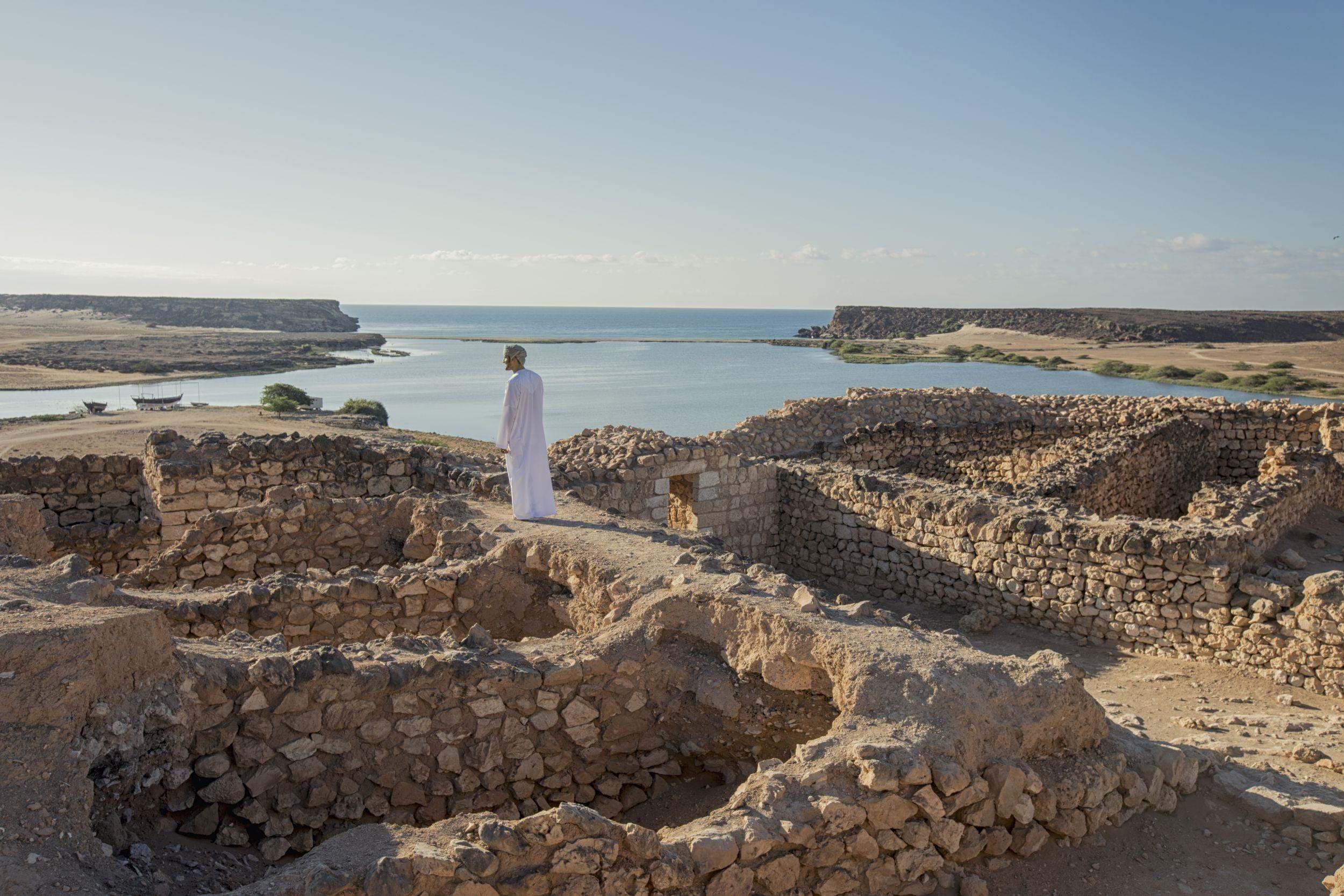
Grand Tour Oman
16 days from £ 5395 per person
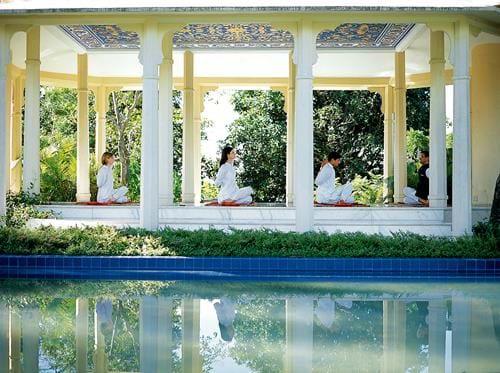
A Wellness Holiday in the Himalayas
7 days from £ 2995 per person
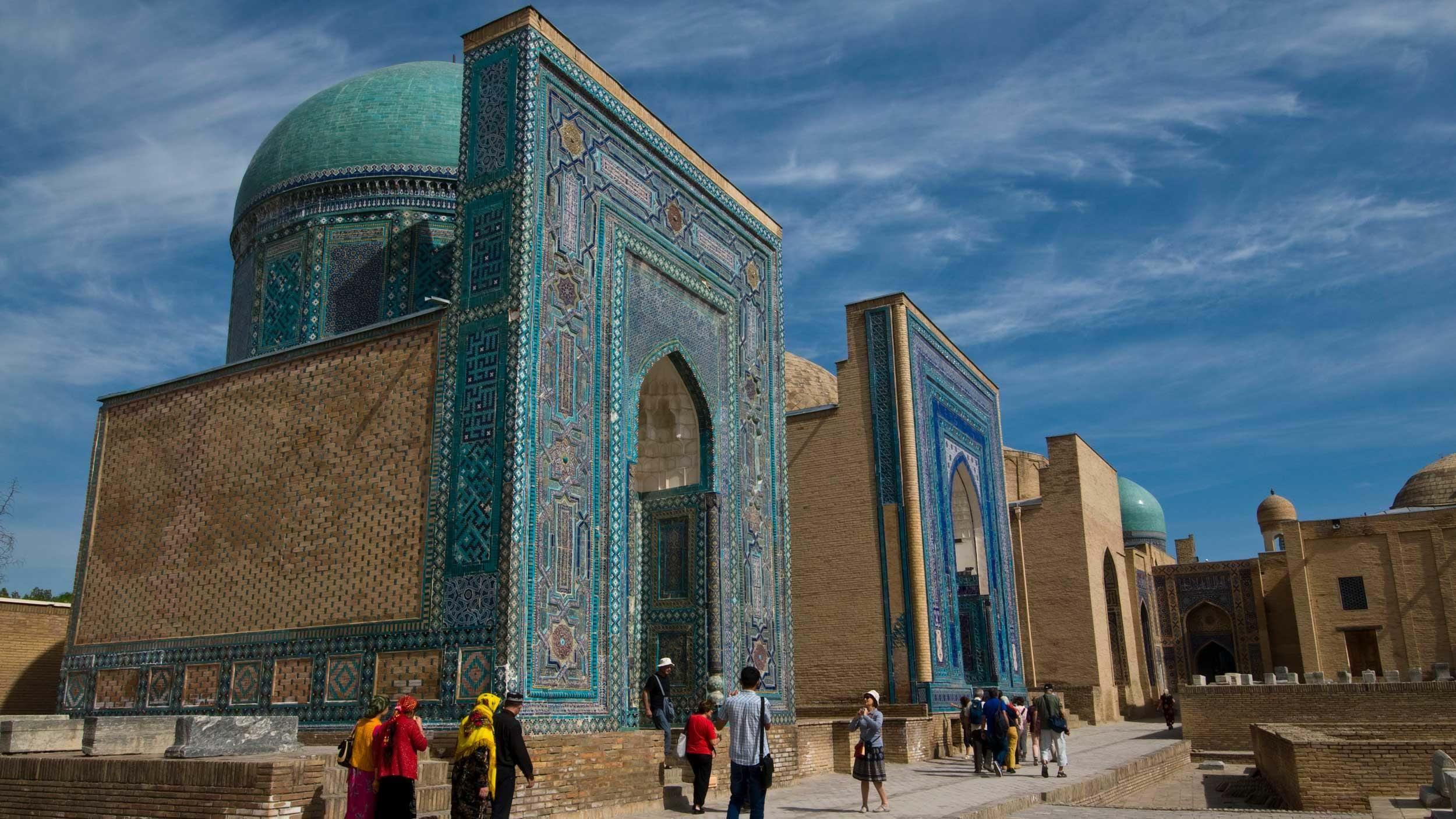
Uzbekistan: A Journey of Discovery
11 days from £ 1995 per person

Japan Uncovered
10 days from £ 3795 per person

Taiwan Experience
9 days from £ 1495 per person

Jordan Experience
8 days from £ 1375 per person

China's Celestial Capitals and River Kingdoms
14 days from £ 2795 per person
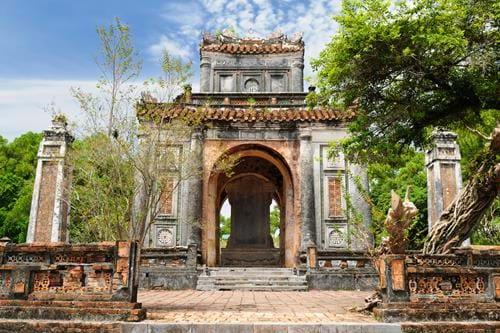
Vietnam In-Depth
19 days from £ 3825 per person
Off the Beaten Track Thailand Holiday
13 days from £ 3485 per person

Nepal: Sacred Valleys and Hidden Kingdoms
15 days from £ 6195 per person
A Winter Honeymoon in Sri Lanka
14 days from £ 4685 per person