
12.02.2026 Updated: Amrit Singh
Over the years, we have learnt that Japan rewards travellers who approach it with patience, curiosity and a willingness to observe before acting. It is a country where nuance matters, where meaning is often implied rather than stated, and where the smallest gestures carry significance. Travelling well in Japan is less about ticking sights off a list and more about learning how to move through spaces — temples, cities, trains and conversations — with awareness and respect.
For seasoned travellers, Japan can feel at once familiar and intriguingly different. Systems run flawlessly, yet social codes are subtle; hospitality is warm, yet restrained. The pleasure lies in understanding these contrasts and adjusting one’s pace accordingly. Whether navigating a rural railway line or a metropolitan station, lingering over a meal or walking a garden path, Japan invites you to slow down, pay attention and travel with intention.
For the culturally curious, Japan offers the rare pleasure of a society that values continuity, craftsmanship and quiet excellence.
Cultural Orientation
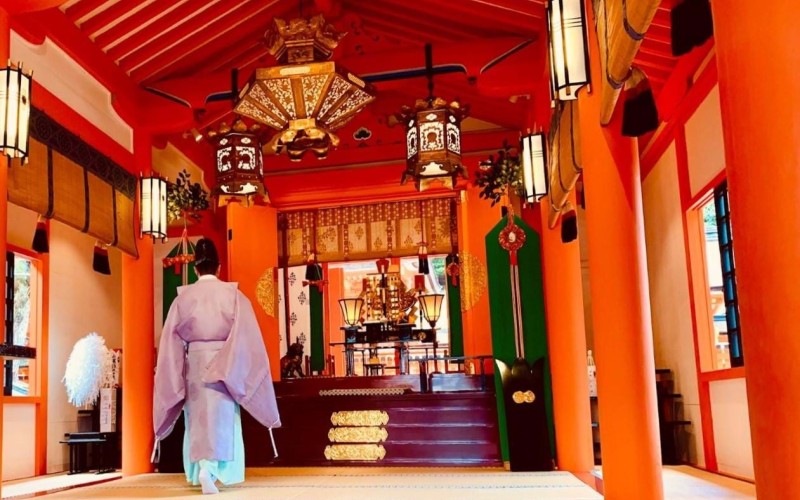
At the heart of Japanese society lies an enduring emphasis on harmony, precision and mutual respect. Social interactions are shaped by an acute awareness of others, and behaviour in public spaces is guided by restraint rather than display. This cultural fabric underpins everything from the quiet order of city life to the choreography of daily rituals.
You will notice calm public spaces, polite exchanges and a collective awareness of others. Customs such as bowing, removing shoes indoors and keeping voices low are expressions of consideration rather than formality.
Japan can feel different even if you know Asia well because expectations are rarely explained aloud. The best approach is to observe and follow what those around you do. A calm manner, a willingness to adapt and a genuine interest are always appreciated. Once you understand this, Japan feels reassuringly ordered rather than intimidating, and remarkably easy to navigate.
Geography & Regional Character
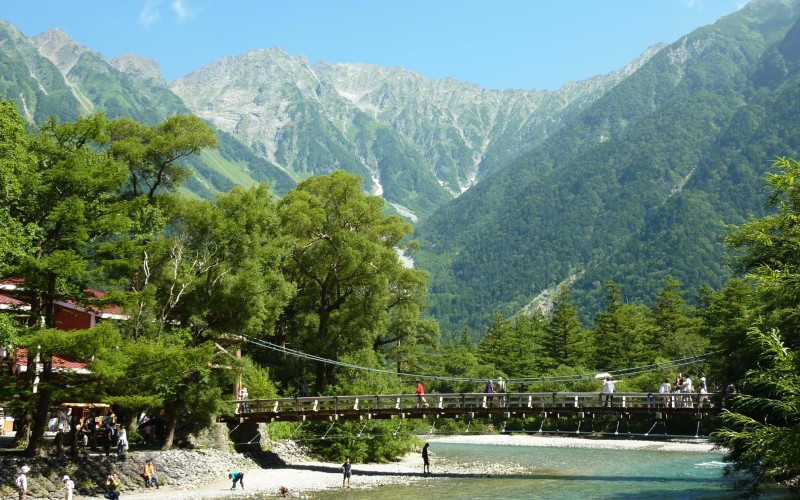
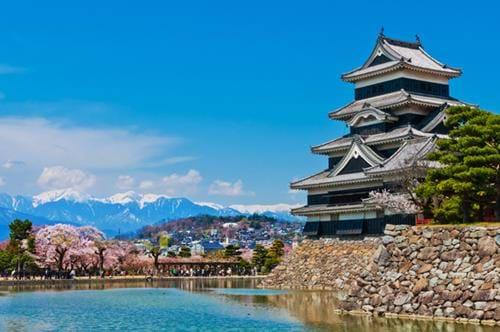
Japan rewards exploration beyond a single city. While headline destinations such as Tokyo, Kyoto, Osaka and Hiroshima offer powerful first impressions, the country’s true richness lies in how different each region feels. Landscapes shape culture, from coastal fishing towns and forested mountain valleys to historic inland cities and fertile rural plains.
When you move beyond the major centres, you encounter places where traditions remain woven into daily life, local cuisine reflects climate and geography, and community identity feels strong. These regional heartlands provide contrast and context, deepening your understanding of Japan as a whole. The key is balance, pairing iconic cities with quieter regions that reveal how people live today. Travelling this way allows you to experience Japan not as a single narrative, but as a collection of distinct yet connected worlds.
Japan's Mountains and Valleys Tour
Japan’s Historical Framework
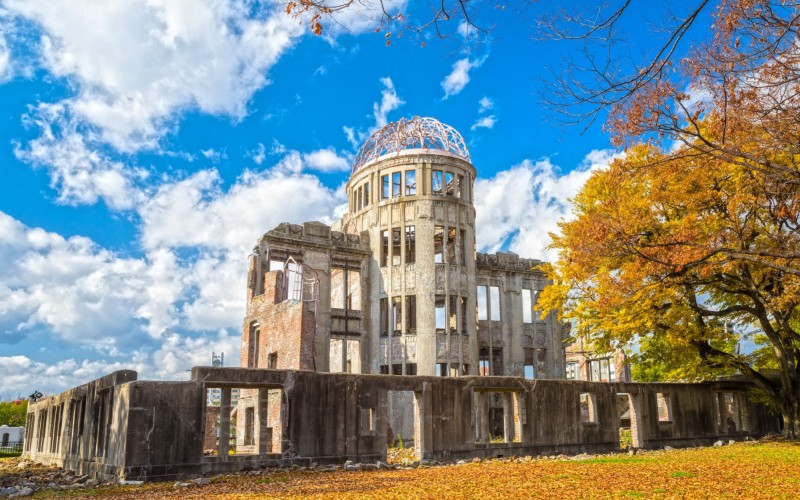
Japan’s past is not confined to textbooks or museums; it continues to shape how people think, behave and design their surroundings. As you travel, you will encounter traces of classical court culture, feudal castle towns, the disciplined legacy of the samurai, and the rapid modernisation that followed the Meiji era. These layers explain Japan’s ability to innovate without losing continuity.
You do not need a detailed knowledge of dates to appreciate this history. A broad understanding adds meaning to what you see, whether it is a preserved street, a rural shrine or a family-run inn. Hiroshima, approached thoughtfully, offers a deeply moving reflection on memory, responsibility and renewal. History in Japan is presented with restraint and dignity, inviting reflection rather than confrontation.
Contemporary Japan

Modern Japan is dynamic yet measured. Architecture, design and fashion favour clarity, craftsmanship and restraint, avoiding excess in favour of balance. Even in cities such as Tokyo, where energy and scale are undeniable, order and efficiency create a sense of calm beneath the surface.
As you experience contemporary Japan, you will see how tradition and innovation coexist naturally. Ancient aesthetics influence modern design, and technology enhances daily life without overwhelming it. Rather than dramatic contrasts, Japan offers continuity. Understanding this allows you to enjoy the modern country without clichés, appreciating how progress is carefully aligned with cultural memory.
Living Traditions
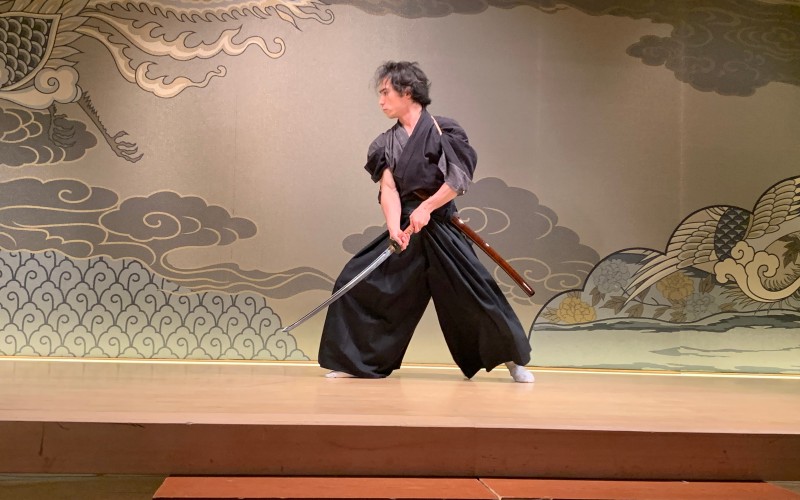
Japan’s ancient traditions endure and are still lived rather than staged. You see this continuity in everyday life as local crafts passed down through generations, in seasonal festivals that mark the agricultural year, and in the careful tending of gardens designed to reflect balance and impermanence. Practices such as flower arranging, origami and traditional music express an aesthetic rooted in patience, precision and respect for materials, inviting you to slow your pace and observe with intention.
The legacy of the samurai, once Japan’s warrior administrators, still shapes cultural values today. Ideals of discipline, honour and self-mastery remain evident in attitudes to work and craftsmanship. They are most clearly felt in former castle towns where streetscapes, museums and local customs preserve this heritage within living communities.
Equally refined is the world of the geisha, where highly trained artists devote years to mastering music, dance, poetry and conversation. Their role is to sustain classical arts and social grace, offering insight into Japan’s devotion to continuity and elegance when experienced respectfully.
The tea ceremony brings many of these strands together. Through a sequence of precise, mindful gestures, you are welcomed into a ritual centred on harmony, purity and tranquillity. This singular experience distils Japan’s living traditions into a moment of quiet reflection.
Nature & Spiritual Landscape
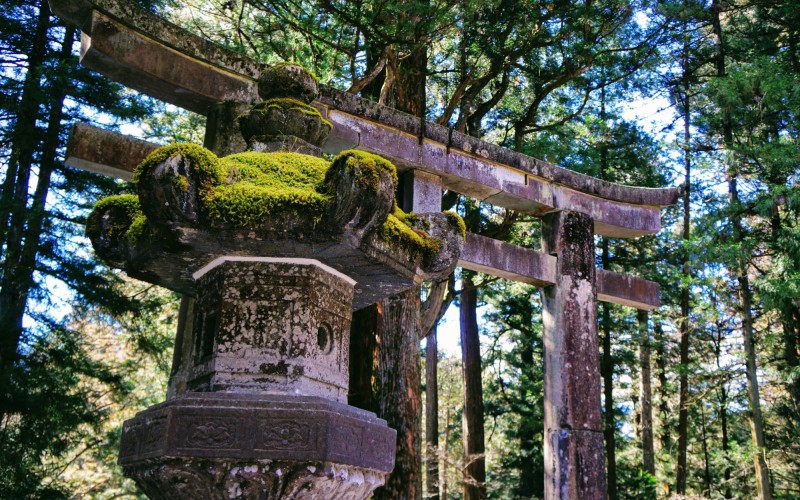
Nature and spirituality are inseparable in Japan, shaping how landscapes are respected and spaces designed. Japan’s religious life is defined by the harmonious coexistence of three traditions.
Shintoism is Japan’s indigenous belief system, centred on kami, or spirits, that inhabit natural elements such as mountains, trees and rivers. Shinto shrines emphasise purity, simplicity and connection to place.
Buddhism, introduced from the Asian mainland, focuses on impermanence, mindfulness and compassion. Buddhist temples often provide spaces for reflection, meditation and ritual.
Confucianism, while less visible, has influenced social values such as respect for hierarchy, education and ethical behaviour.
Rather than conflicting, these traditions merge seamlessly in daily life. You may visit a Shinto shrine for life events and a Buddhist temple for reflection. Temple stays, particularly in places such as Mount Koya, offer an immersive way to experience spiritual practice alongside serene natural settings.
Food & Dining Culture
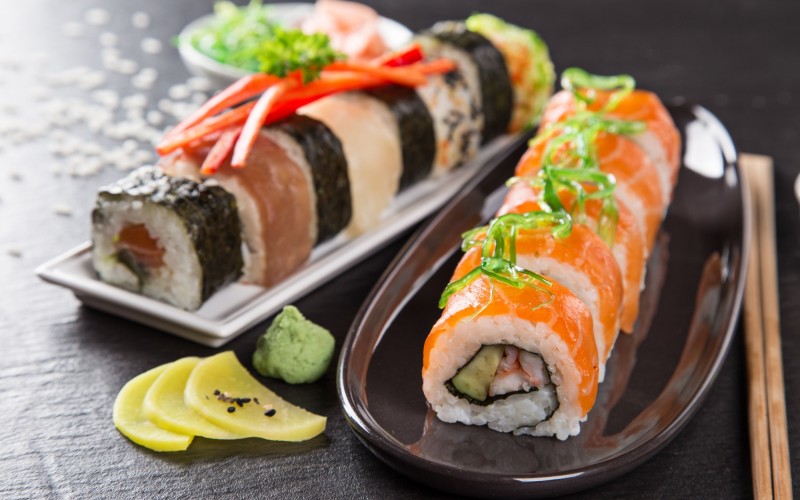
Food in Japan is both deeply regional and reassuringly accessible. Daily staples include rice, noodles such as ramen, soba and udon, grilled or simmered fish, pickled vegetables and seasonal produce. These everyday foods vary subtly across the country, reflecting local climate and tradition.
Beyond daily meals, Japan is known for more elaborate culinary styles. Kaiseki dining presents seasonal ingredients with artistry and balance, often enjoyed in traditional settings. Izakaya culture offers informal shared dining, while regional specialities showcase local pride. Sushi is only one part of a much broader food landscape.
Dining etiquette is simple and forgiving. There is no tipping, service is attentive, and presentation is thoughtful. Approaching meals with curiosity rather than caution allows you to enjoy one of Japan’s most rewarding cultural expressions.
The Art of Travelling Well in Japan

Japan encourages you to slow down, even within its famously efficient systems. You travel best when you allow time to observe, whether that means lingering in a neighbourhood, watching daily routines or enjoying a meal without haste.
Hospitality, known as omotenashi, is subtle and anticipatory. You are cared for quietly rather than instructed. Responding with courtesy and appreciation creates ease and warmth in interactions. You do not need to worry about perfection; intention matters more than precision. When you travel with attentiveness and humility, Japan reveals itself generously.
Practical Travel Intelligence
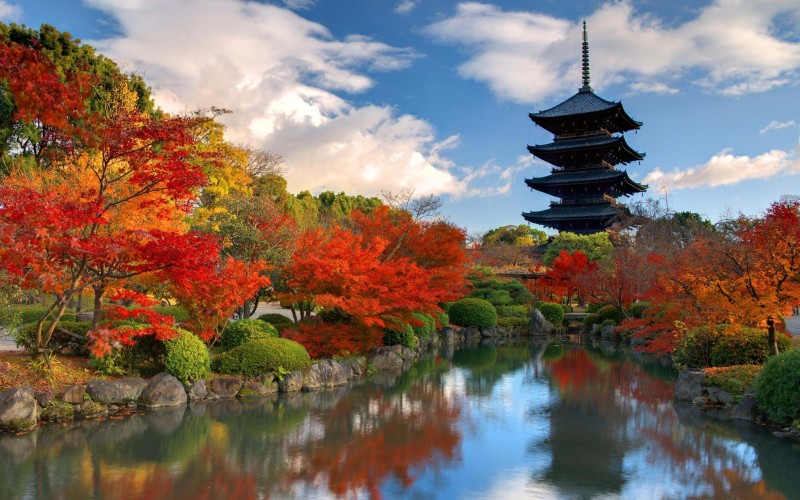
Japan is one of the world’s easiest countries to navigate. Trains are punctual and intuitive, luggage forwarding simplifies movement, and signage is clear. Cash is still useful, although cards are increasingly accepted, and tipping is neither required nor expected.
Language differences rarely cause difficulty. Translation apps are effective, and people are generally patient and helpful. Seasonal changes matter, affecting weather, festivals and food, so timing enhances experience. With minimal preparation, logistics fade into the background, allowing you to focus fully on discovery.
Even if you know Asia well and are returning to Japan, it can still surprise you in gentle ways. Familiar assumptions may not always apply, but differences are subtle rather than challenging. Communication is indirect, behaviour is guided by shared understanding, and rules exist to support harmony rather than restrict freedom.
Overall, visitors are rewarded for patience, curiosity and observation. Small moments often become highlights: a quiet interaction, a local meal, a perfectly timed train. Japan does not demand adjustment so much as awareness. When you meet it on its own terms, it offers one of the most enriching and satisfying travel experiences in the world.
Interested in a luxury tour to Japan? Enquire now and our expert team will get you started!
Related Tours

Japan Uncovered
10 days from £ 3795 per person

Journey Through Japan
16 days from £ 6595 per person
Romantic Japan
15 days from £ 6950 per person
Essential Japan
7 days from £ 5225 per person