

27.11.2025 Updated: TransIndus
Tucked along the eastern coastline of India, the state of Odisha is a land where ancient cultures still pulse vividly through forested hills, terraced farms and weekly markets alive with colour and rhythm. While many travellers know Odisha for its Sun Temple at Konark or the sacred city of Puri, it is in the tribal heartlands, far from the coastal plains, that the state’s most remarkable cultural encounters await.
Home to 62 recognised Adivasi (tribal) communities, Odisha hosts one of the richest concentrations of indigenous culture anywhere in India. These communities - each with its own language, dress, beliefs and oral traditions - offer a rare window into ways of life shaped by deep ecological knowledge and centuries of close relationship with land, ritual and community.
For travellers with an interest in anthropology, ethnography, photography or cultural heritage, Odisha is one of India’s most rewarding destinations.
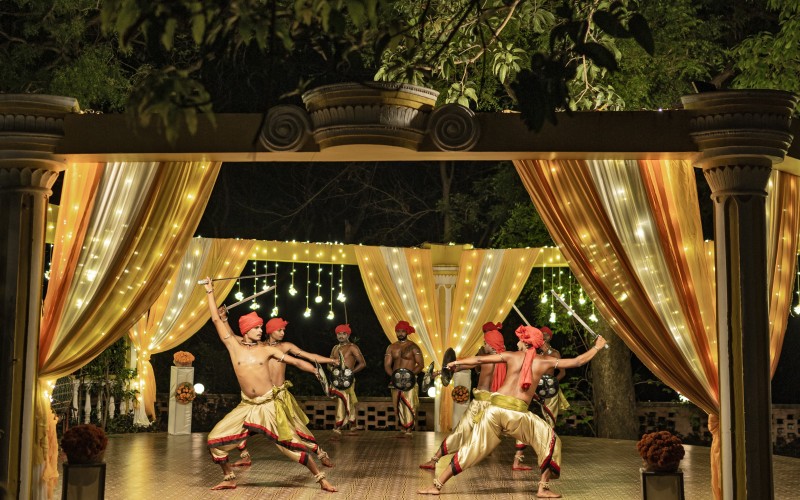
Where is Odisha and why is it so culturally rich?
Odisha lies on India’s eastern seaboard, facing the Bay of Bengal. While the coastal belt is home to Hindu temple cities and bustling modern towns, the state quickly rises inland into the Eastern Ghats, a chain of low forested hills.
It is here, in these protected uplands, that many tribal groups settled thousands of years ago, sustained by forest produce, shifting cultivation and river-based agriculture. Isolation, paired with strong communal systems, allowed their cultural identities to flourish with minimal outside influence.
Who Are Odisha’s Adivasi Communities?
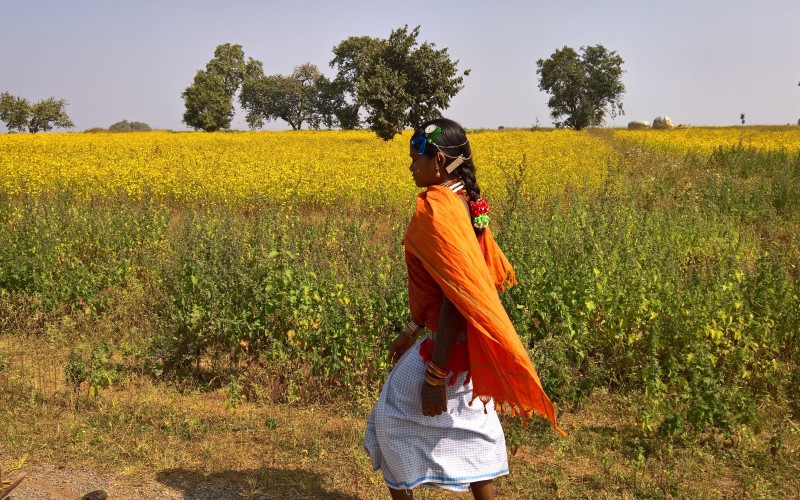
While Odisha has dozens of tribal groups, several are especially significant for travellers wishing to understand the region’s cultural and anthropological depth. Below is a curated selection of the most meaningful communities to encounter respectfully.
1. Dongria Kondh: Guardians of Niyamgiri
Perhaps the most internationally recognised of Odisha’s tribes, the Dongria Kondh inhabit the forested slopes of the Niyamgiri Hills near Rayagada. Known for their distinctive bead necklaces, nose rings and turmeric markings, they practise sophisticated horticulture, nurturing orchards of jackfruit, papaya, mango and citrus on steep terraces. Their defence of Niyamgiri against bauxite mining made them a global symbol of indigenous environmental protection.
Where to observe respectfully: Chatikona Market on Wednesdays and Lower-slope villages around Bissamcuttack.
2. Desia Kondh: Ritual Keepers of the Highlands
Related to the Kondh but culturally distinct, the Desia Kondh inhabit the hills surrounding Rayagada and Koraput. Their villages are marked by terracotta shrines, carved wooden posts and sacred groves where ancestral spirits are honoured.
Where to observe respectfully: Villages near Rayagada and Laxmipur.
3. Bonda: Among India’s Most Distinctive Communities
Living in the remote hills near Onukudelli, the Bonda are known for their striking attire: shaved heads adorned with beads, brass neck rings and colourful corset-like garments. They retain a strong matriarchal social structure and live largely in isolation.
Where to observe respectfully: Onukudelli Market on Thursdays. Accompanied visits through responsible local partners only.
4. Gadaba: Masters of Dance & Ornamentation
The Gadaba are renowned for their rhythmic Dhimsa dance, elegant metal jewellery and vibrant woven fabrics. They live in the Koraput region and maintain a rich ceremonial calendar linked to agriculture.
Where to observe respectfully: Villages near Jeypore and the Onukudelli region (often on the same day as Bonda visits)
5. Paraja: Farmers of the Koraput Plateau
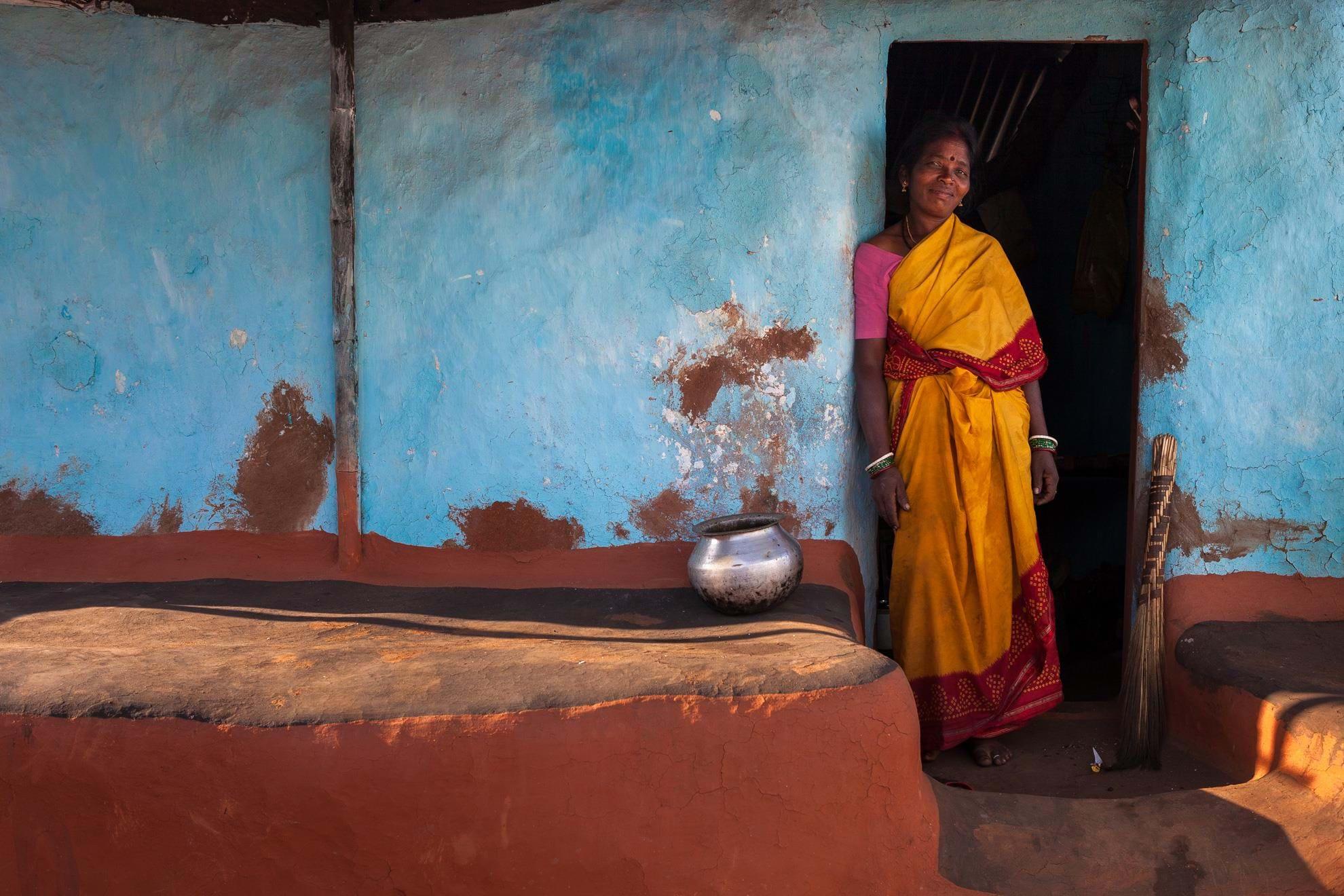
A larger agrarian tribe, the Paraja live in painted mud-walled homes clustered around fields of millet and vegetables. Their weekly markets offer a colourful insight into rural life and barter systems.
Where to observe respectfully: Umarkote, Boipariguda, and Koraput region.
6. Kotpad Weavers: Keepers of Natural Dye Traditions
The weaving community of Kotpad, near Jeypore, belongs to a culturally rich sub-group famous for producing deep terracotta textiles using natural dyes from the aal root. Their craft now carries a Geographical Indication (GI) mark.
Where to observe respectfully: Kotpad weaving village, with prior arrangements for workshops
Further tips for your Tribal Journeys
Responsible travel
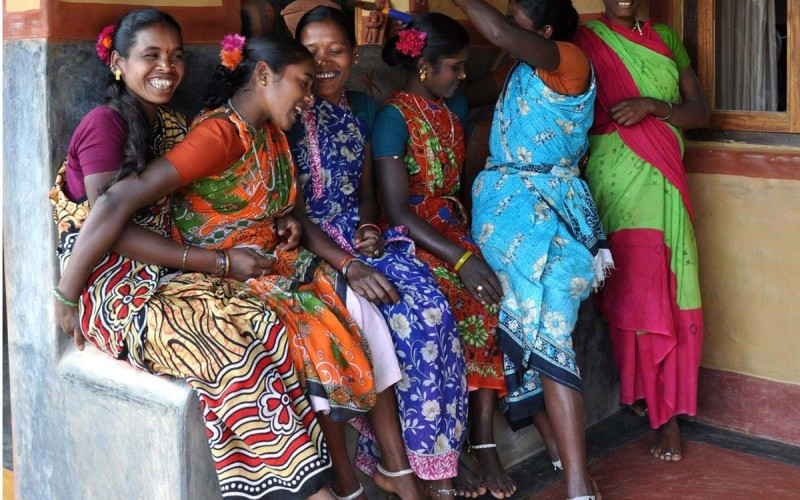
It is essential to work with guides trained in tribal etiquette. Key bases include:
- Rayagada: Gateway to Dongria Kondh and Desia Kondh regions; close to Chatikona market.
- Jeypore (Koraput district): Ideal for Bonda, Gadaba, Paraja and Kotpad villages.
- Mayurbhanj (Baripada & Belgadia Palace): Rich in Chhau dance, forest communities and wildlife in Simlipal National Park.
- Bhubaneswar: The cultural and logistical hub for entering Odisha’s tribal belt.
Best Time to Visit Odisha’s Tribal Regions
The optimal months are October to March, when you can expect pleasant temperatures, clear skies, peak activity in weekly markets and the best trekking and photography conditions. April to June can be very hot, while June–September brings monsoon rains, landslides and limited market access.
Ideal Duration
For meaningful cultural encounters without rushing we recommend 10–14 days. This allows time to visit Rayagada, Koraput, Kotpad, Rayagada markets and Mayurbhanj without fatigue. Shorter premium versions (6–8 days) are possible but best suited to returning travellers or those with a narrow focus.
How to Observe Tribal Communities Respectfully
Adivasi cultures are protected by law, and responsible travel is essential. Visitors should:
- Travel with specialist guides
- Avoid entering villages uninvited
- Always ask before photographing people
- Buy crafts directly from artisans
- Keep conversations gentle and curious, not intrusive
- Respect sacred sites, shrines and gender-specific spaces
- Weekly markets are often the best way to observe without disrupting daily life.
Final Thoughts
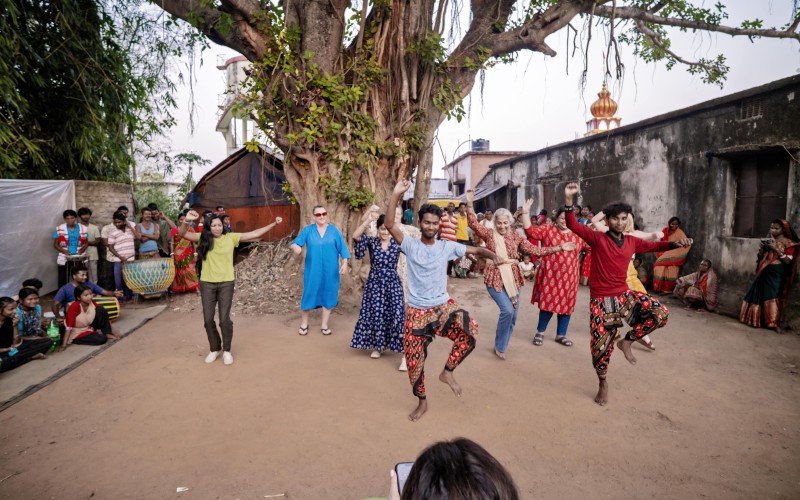
For mature travellers with a deep curiosity about culture, anthropology and human history, Odisha offers a rare opportunity to meet communities whose traditions stretch back millennia. These are not museum cultures but living civilisations—resilient, vibrant and connected to the land in ways that modern life rarely permits.
Handled sensitively, a journey through Odisha’s tribal heartlands becomes far more than a holiday. It becomes a privileged opportunity to witness some of India’s most extraordinary cultural landscapes, lived and celebrated with quiet dignity in the hills of the Eastern Ghats.
If you would like to experience the Tribal Heartlands of Eastern India, browse our tours below and enquire for more information. Our destination specialists will be happy to help!
Related Tours
Temples and Tribes of Odisha
15 days from £ 3660 per person

Tribal Culture & Traditions of Gujarat
10 days from £ 2300 per person

Odisha’s Indigenous Arts & Sacred Landscapes
15 days from £ 3650 per person