
10.11.2025 Updated: TransIndus
Asia's diverse ecosystems support some of the world's most iconic and endangered wildlife species. From the misty forests of Nepal to the tropical rainforests of Borneo, the continent offers unparalleled opportunities for wildlife enthusiasts, photographers, and nature lovers to witness these magnificent animals in their natural habitats.
Whether you're planning a dedicated wildlife expedition or combining wildlife experiences with cultural exploration, Asia's wildlife destinations deliver unforgettable encounters. This guide covers the continent's most remarkable animals and the best locations to experience them responsibly and sustainably.
If you are looking for wildlife holidays in Asia, check out our Wildlife Tours to find the perfect holiday for you, or contact us for more information.
Nepal: Home to the Legendary One-Horned Rhino
The Majestic One-Horned Rhinoceros
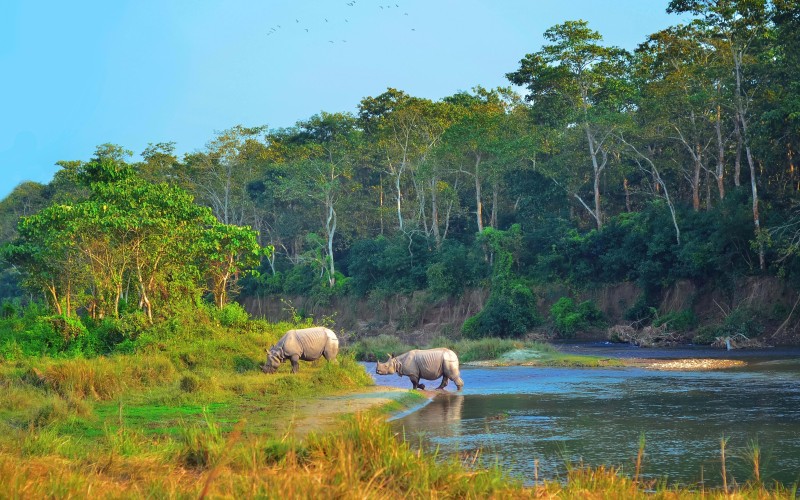
Nepal's greatest wildlife treasure is the one-horned rhinoceros (also known as the Indian rhinoceros), one of the world's most magnificent large mammals. These massive creatures can weigh up to 2,700kg and are distinguished by their single horn and distinctive armour-like skin folds.
Best location: Chitwan National Park. This UNESCO World Heritage Site sprawls across 932 square kilometres in southern Nepal and provides the perfect habitat for spotting one-horned rhinos. The park's diverse terrain - including sal forests, grasslands, and river systems - creates ideal conditions for wildlife viewing. The best season for wildlife viewing is November to February when the weather is clear and animals congregate near water sources.
Tigers and Crocodiles: Apex Predators and Ancient Reptiles
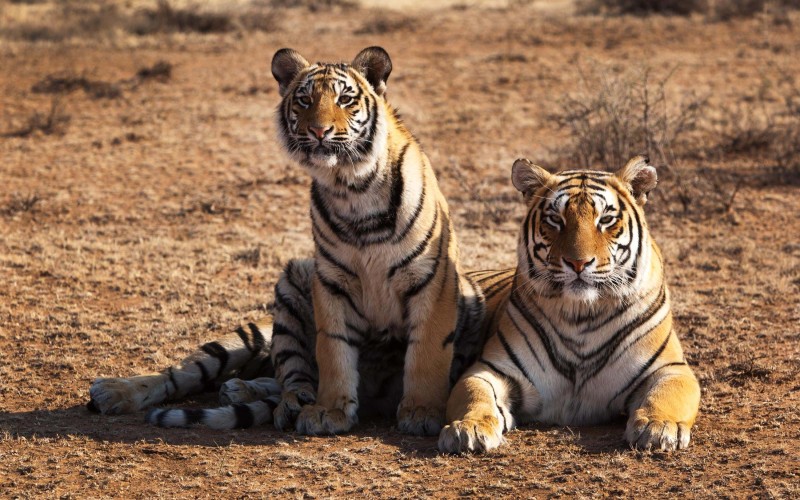
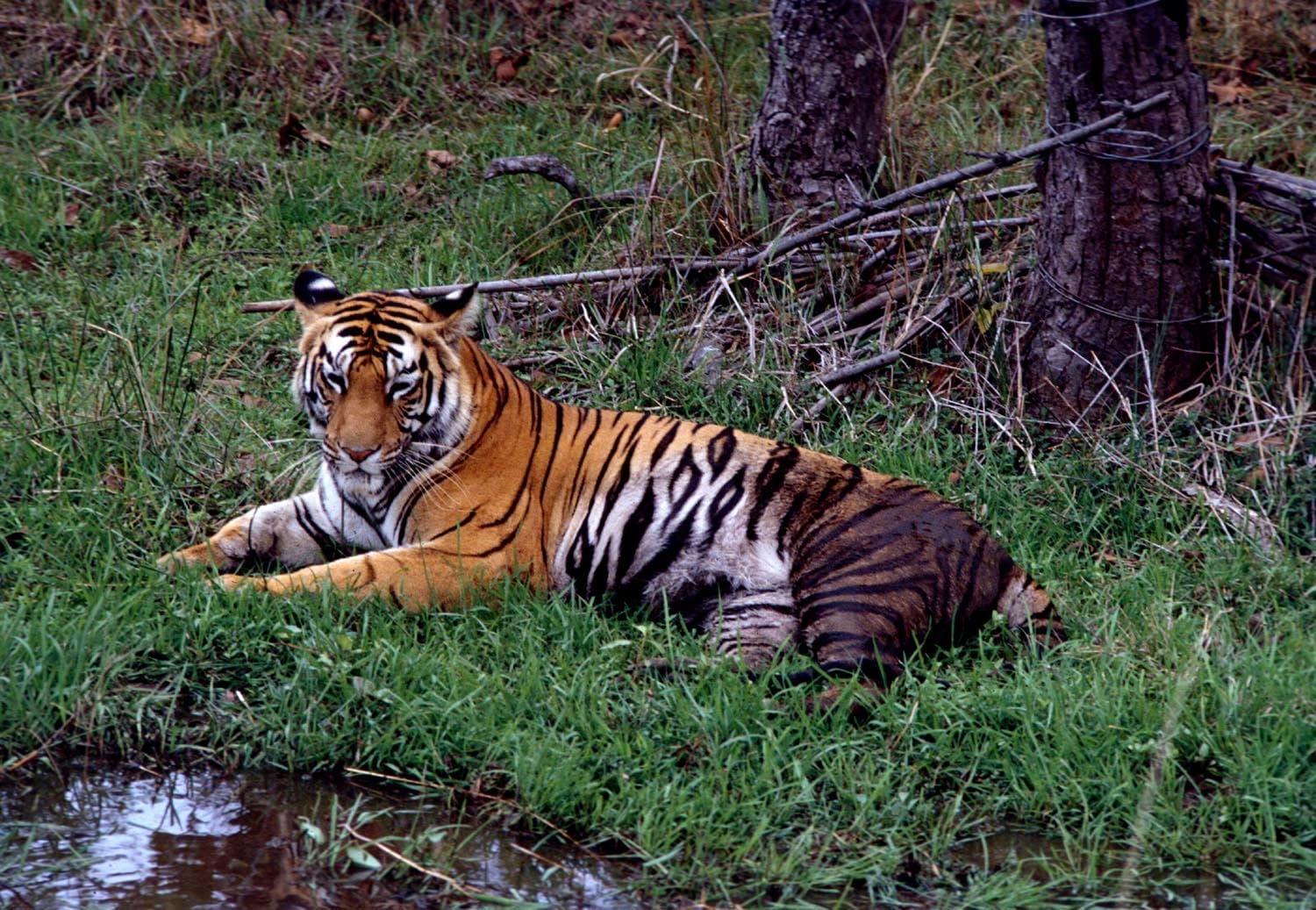
Beyond the iconic rhino, Chitwan National Park hosts approximately 120 Royal Bengal tigers, making it one of Asia's most important tiger conservation areas. Alongside these striped predators, the park shelters long-snouted crocodiles and marsh crocodiles along the Rapti and Narayani rivers. Early morning jeep safaris and jungle walks guided by our expert naturalists offer your best opportunities to encounter these elusive big cats. Late afternoon safaris along river valleys yield productive sightings, particularly during the cool dry season.
The park also supports over 500 bird species, making it exceptional for birdwatchers. Combine your rhino and tiger encounters with canoe trips down the Rapti River, where you might spot gharials basking on riverbanks and crocodiles hunting in shallow waters.
TransIndus Tip: Book well in advance, particularly if you want to visit from November to January when the park reaches peak capacity.
Sri Lanka: Leopards, Elephants, and Ocean Giants
The Elusive Sri Lankan Leopard
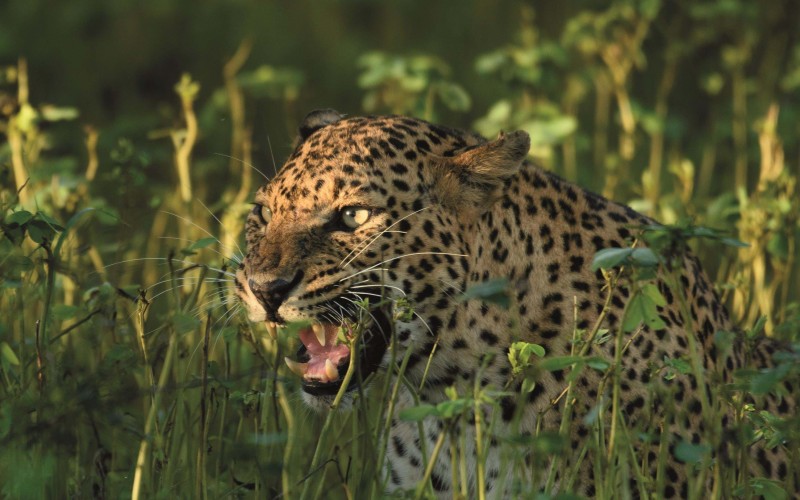
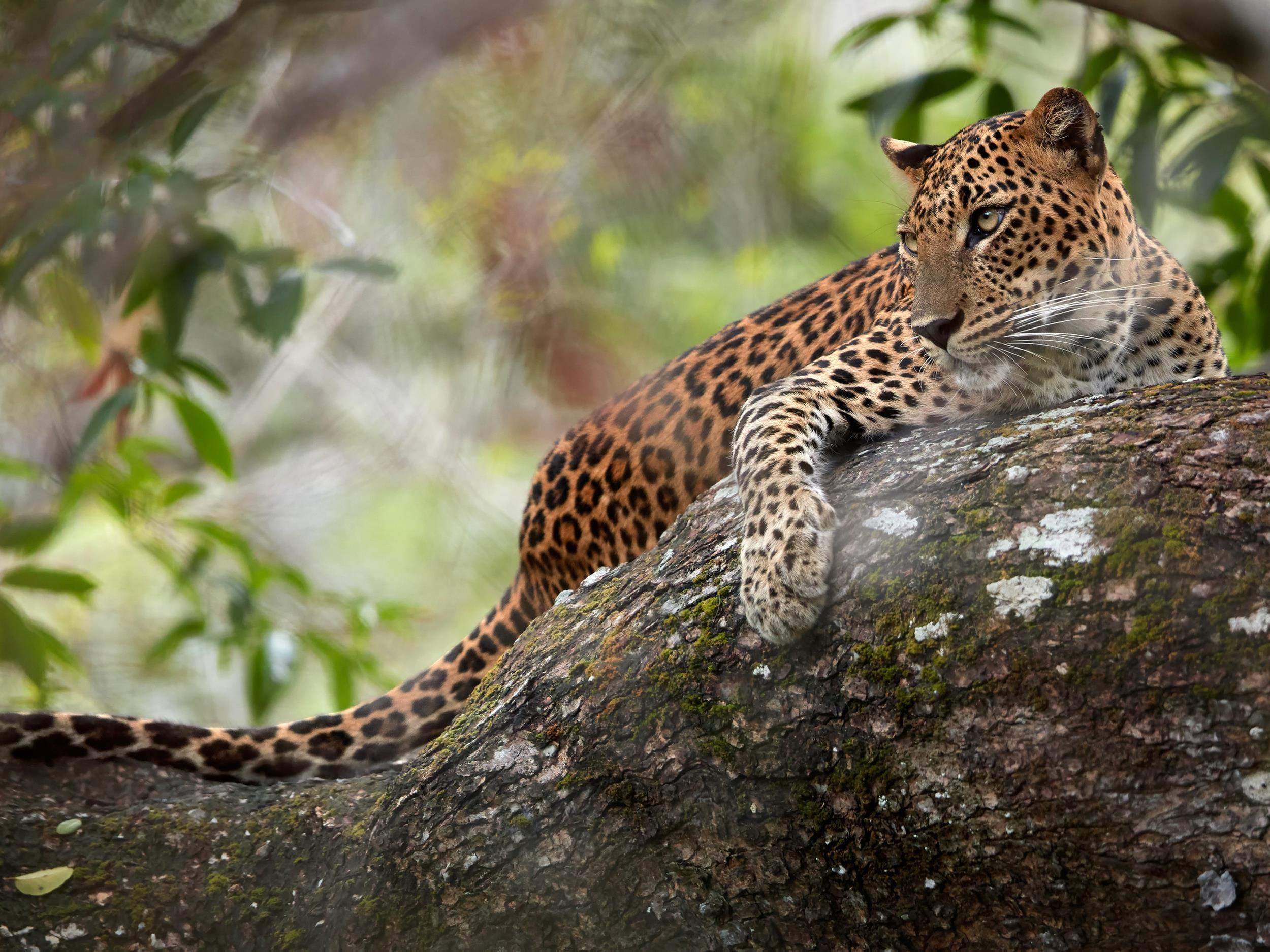
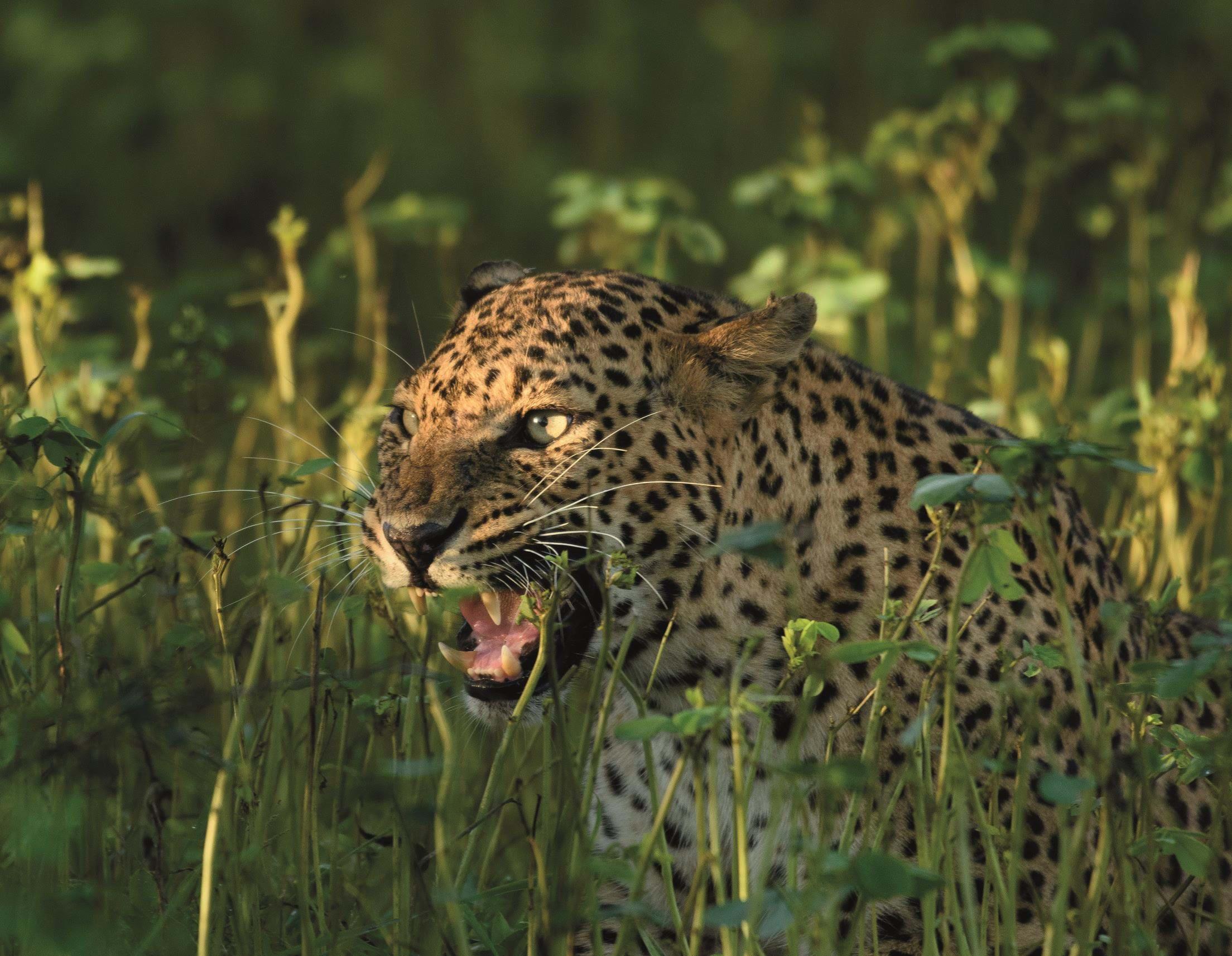
Sri Lanka's interior highlands host the endemic Sri Lankan leopard, a subspecies found nowhere else on Earth. These solitary, nocturnal hunters are increasingly rare, making sightings a genuine wildlife privilege.
Best location: Yala National Park. Located in the southeast, Yala ranks among the world's highest leopard-density national parks. The park's diverse habitats - filled with coastal lagoons, forests, grasslands, and rocky outcrops - provide perfect hunting grounds for these spotted predators. Early morning safari drives through Yala's five sectors offer your best chance to encounter leopards hunting prey or resting on rocky ledges.
TransIndus tip: If you are a keen photographer, bring a telephoto lens (400mm or longer) for distant leopard shots, as these cats often remain alert and maintain distance from vehicles.
Asian Elephants: Gentle Giants of Sri Lanka
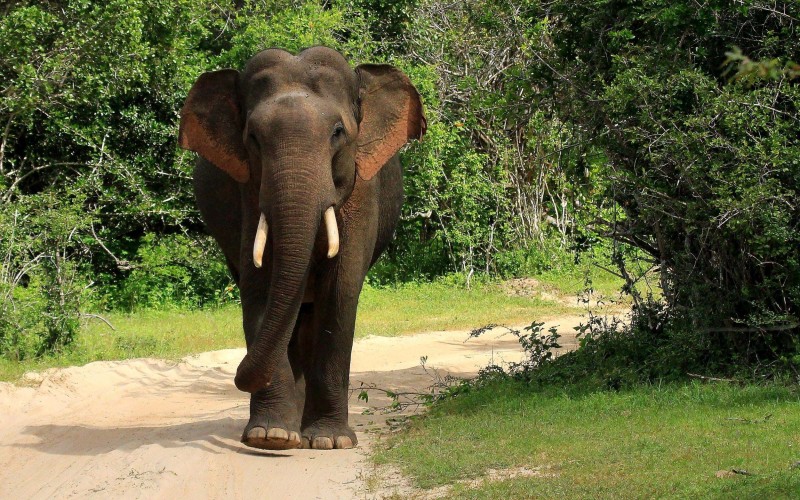
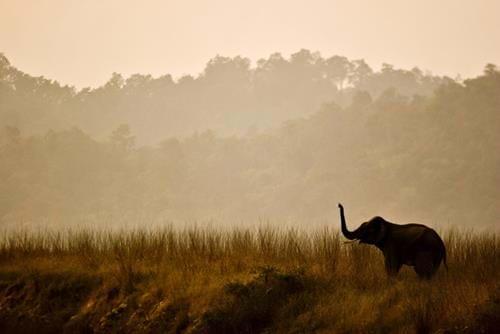
Sri Lanka's Asian elephant population represents an important conservation success story. Approximately 5,500 wild elephants roam the island's protected areas, and you'll have excellent opportunities to observe these intelligent giants in Yala, Udawalawe, and Minneriya national parks. Visit during the dry season (May to September) when elephants congregate at diminishing water sources, creating spectacular herding opportunities. Minneriya National Park is particularly renowned for large elephant gatherings, sometimes numbering over 150 individuals in a single location.
Blue Whales: Giants of the Indian Ocean
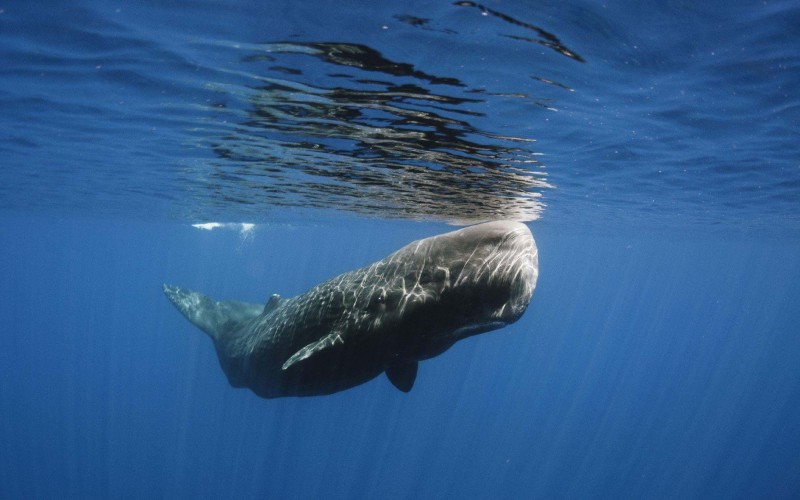
Sri Lanka's southern coast has emerged as a world-class destination for blue whale watching. Between November and April, these magnificent ocean giants migrate to Sri Lankan waters to feed on abundant krill. Depart from southern ports like Mirissa on specially equipped whale-watching boats, with professional operators maintaining responsible distances from the majestic whales while providing spectacular viewing opportunities. Blue whales can reach 30 metres in length and weigh up to 200 tonnes - witnessing these colossal creatures is genuinely awe-inspiring.
Combine whale watching with visits to coastal lagoons where you'll encounter dolphins, sea turtles, and colourful tropical fish.
India: The Subcontinent's Stunning Wildlife Diversity
Northern India: Tigers Roaming Ancient Forests
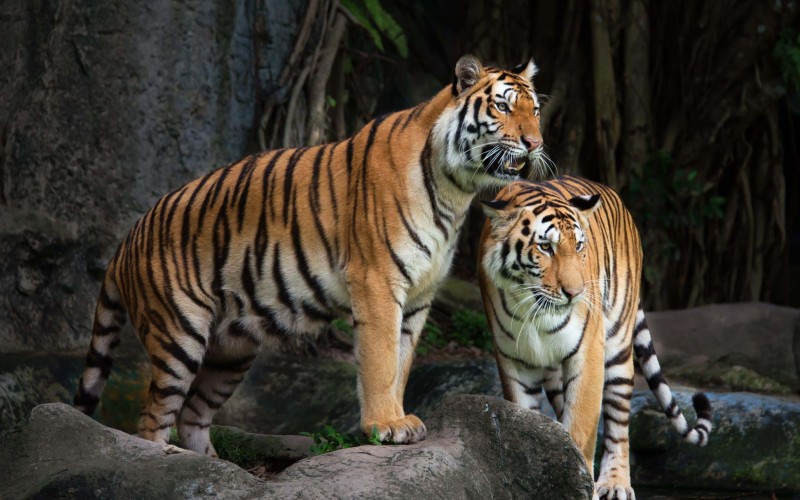
North India harbours approximately 70% of the world's wild tiger population. The Indian subcontinent remains the tiger's last significant stronghold globally.
Premier tiger destinations
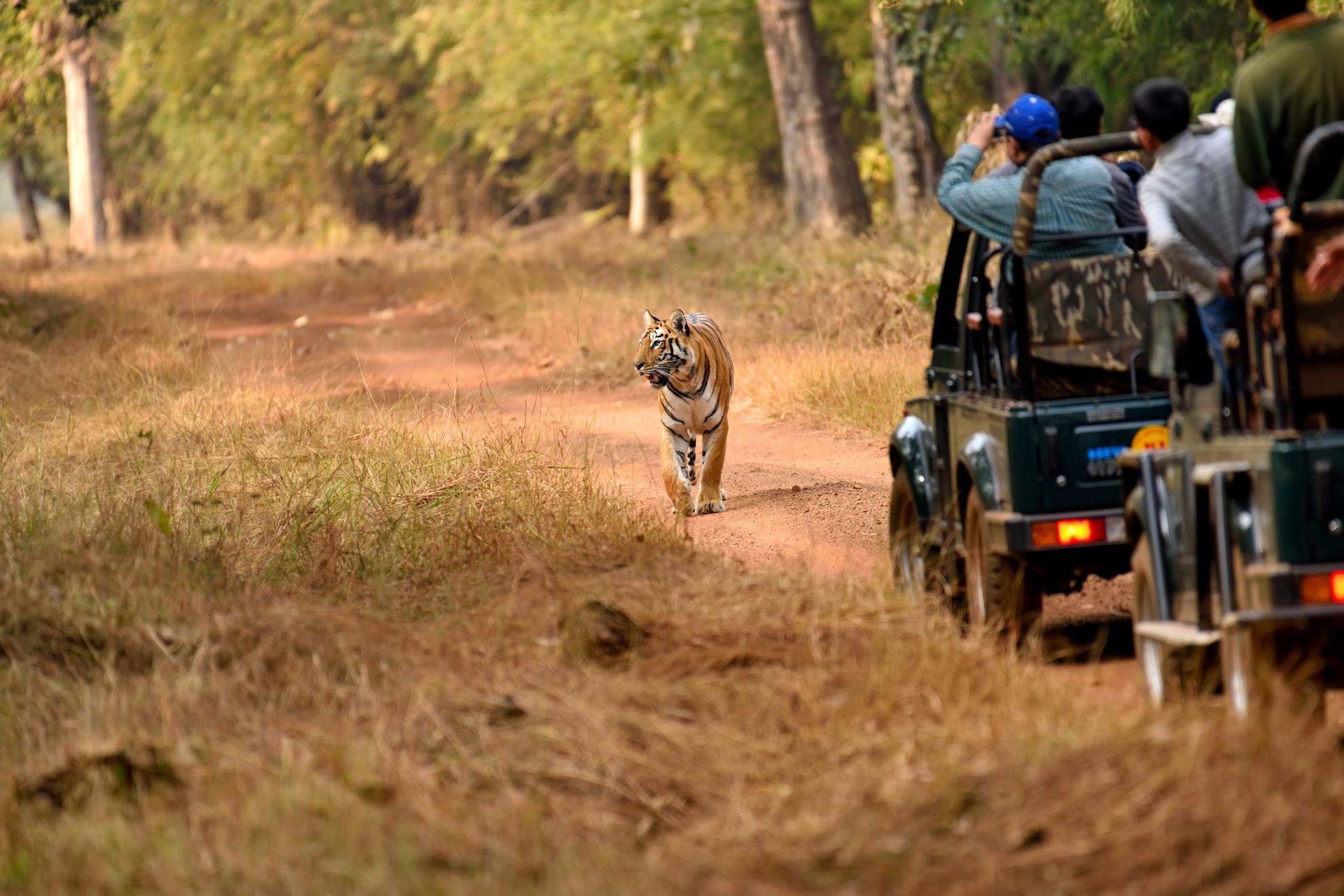
Ranthambore National Park, Rajasthan: One of India's most famous tiger reserves, Ranthambore combines tiger viewing with remarkable birdwatching and historic ruins. Early morning safari drives through the park's dense forest and grassland areas offer genuine opportunities to spot these striped apex predators. The park's water holes serve as natural gathering points during the dry season.
Bandhavgarh National Park, Madhya Pradesh: This reserve hosts one of India's highest tiger densities relative to park size. The park's iconic Bandhavgarh Fort, perched on an ancient hilltop, provides dramatic landscape photography alongside wildlife encounters.
Best season: November to June, with peak activity from December to March.
Southern India: Asian Elephants and Biodiversity
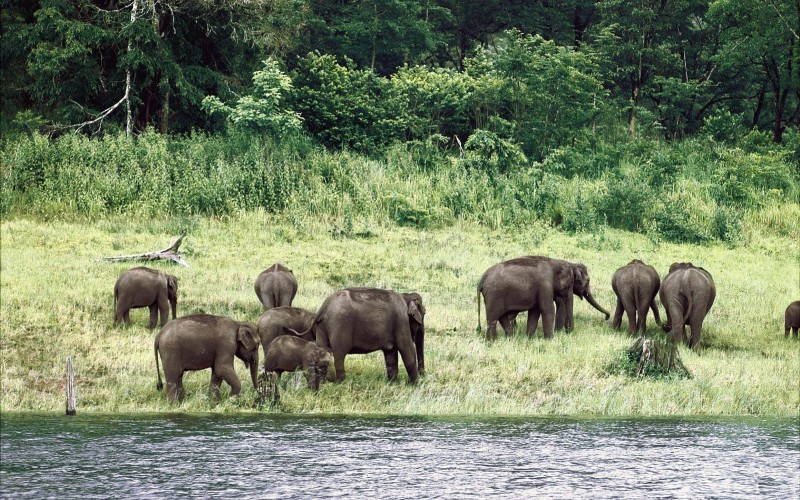
South India's Western Ghats and forest reserves protect the Indian elephant subspecies which weigh up to 5,500 kg, heavier than African elephants.
Premier elephant destinations:
Periyar National Park. Kerala: This reserve in "God's Own Country" combines boat safaris on Periyar Lake with forest walks. You'll encounter herds of Asian elephants, wild boar, sambar deer, and over 360 bird species. The park's tea and spice plantations create a scenic backdrop to wildlife viewing.
Bandipur National Park, Karnataka: Located in the Nilgiri Hills, this reserve supports over 500 elephants living in natural herds. The park's scenic beauty rivals its wildlife encounters.
Best season: November to May.
Eastern India: The Indian Rhino
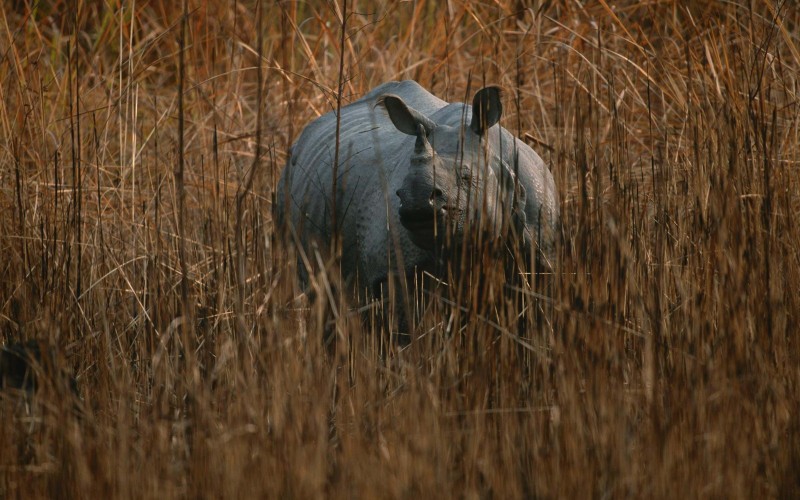
East India's Bengal region harbours the only wild Indian rhino populations outside Nepal.
Kaziranga National Park, Assam, is a UNESCO World Heritage Site protecting the world's largest one-horned rhino population, approximately 2,600 individuals. The park's grasslands, forests, and wetlands provide exceptional wildlife viewing. Beyond rhinos, Kaziranga hosts Bengal tigers, wild water buffalo, and swamp deer. Birdwatchers will discover over 450 bird species, including the endangered bengal florican.
Best season: November to April.
Western India: Asiatic Lions and Desert Wildlife
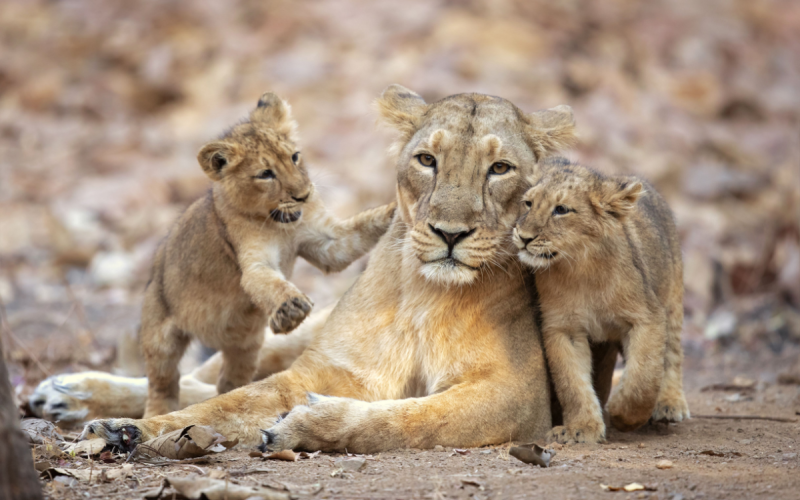
Sasan Gir National Park in Gujarat remains the last refuge for Asiatic lions. Approximately 650 individuals survive here following near-extinction in the early 20th century. Unlike African lions, Asiatic lions live in smaller, more elusive prides that inhabit dense forests rather than open savannah. Early morning jeep safaris through Gir's dry deciduous forest provide opportunities to track lions and encounter the park's diverse fauna, including Indian leopards, sambar deer, and nilgai antelope.
The Gir ecosystem represents one of conservation's greatest achievements. When only 20 Asiatic lions remained in 1913, dedicated protection has now increased numbers to sustainable levels.
Best season: November to May.
Leopards Across India
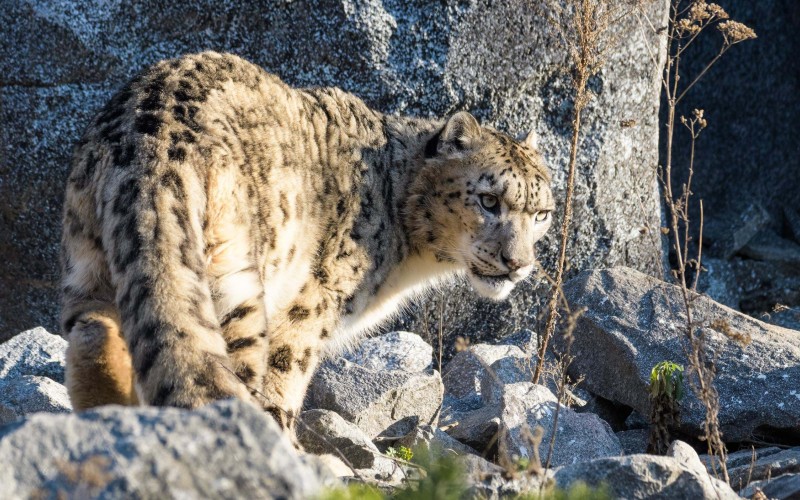
Indian leopards inhabit virtually every forest type across the subcontinent, from coastal forests to mountain ranges. While elusive, leopards can be spotted in most Indian national parks. Wildlife photographers should focus on evening and night safaris, when leopards hunt actively. Corbett National Park in the north and Tadoba-Andhari Tiger Reserve in central India offer excellent leopard-viewing possibilities.
Indonesia: Exotic Species on Earth's Most Remote Islands
Komodo Dragons: Prehistoric Predators on Komodo Island
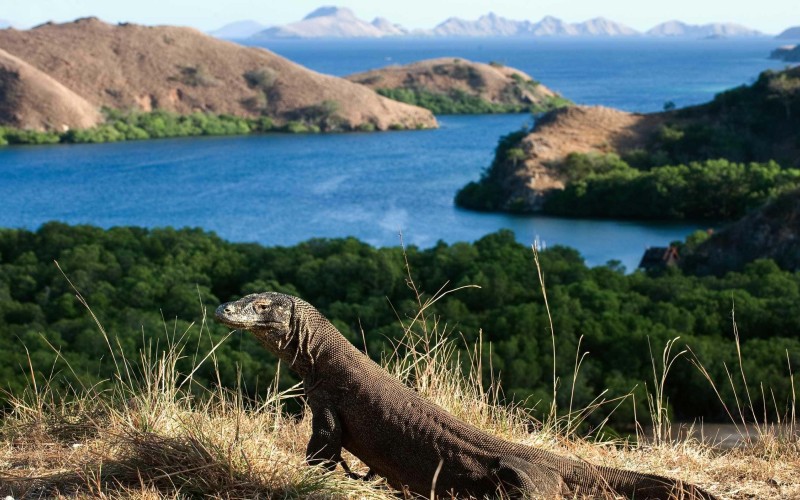
Komodo Island hosts one of the world's most extraordinary wildlife encounters - the Komodo dragon, an ancient predator unchanged for millions of years. These encapsulating reptiles can exceed 3 metres in length and weigh over 70 kilogrammes. Part of the Lesser Sunda Islands, Komodo is the only place on Earth where Komodo dragons exist naturally in the wild.
Our guided trekking expeditions across Komodo's volcanic landscape offer opportunities to encounter multiple dragons daily during the dry season. Experienced park rangers accompany all visitors, maintaining safe distances from these apex predators. Early morning treks, when dragons are most active, provide your best viewing opportunities.
Approximately 3,500 Komodo dragons remain in the wild, all confined to Komodo, Rinca, Flores, and Gili Motang islands. Tourism revenue funds critical conservation efforts protecting these prehistoric survivors.
Best season: April to December, with peak activity during June to August.
The Cheeky Proboscis Monkeys
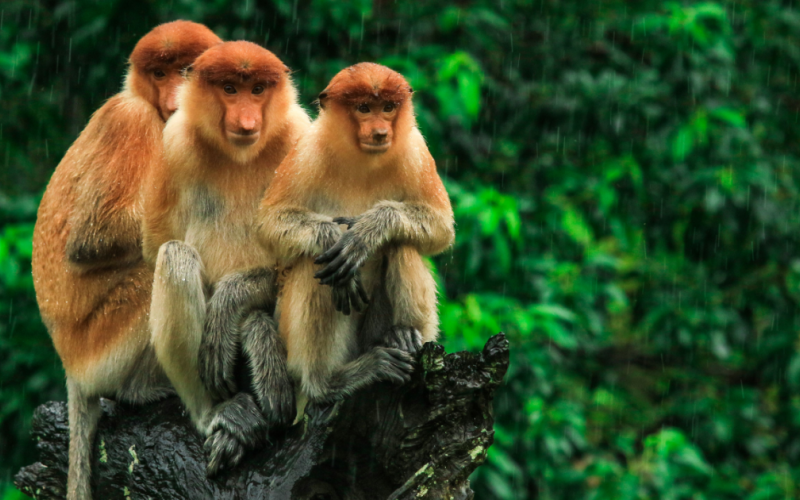
Indonesia's proboscis monkeys possess one of the world's most distinctive noses with males developing pendulous 10-centimetre noses, used to attract females and amplify alarm calls. These remarkable primates inhabit only the Borneo rainforests, both in Indonesia and Malaysia (read on for more).
Tanjung Puting National Park: This Kalimantan reserve offers a unique wildlife adventure combining research, conservation, and immersive nature experience. Multi-day houseboat journeys down the Sekonyer River provide unprecedented access to orangutan sanctuaries, proboscis monkey troops, and pristine rainforest. We recommend floating downstream at dawn and dusk when proboscis monkeys are most active. Watch these agile primates leap between trees, plunge into the river (they're excellent swimmers), and congregate in riverside groves. The experience combines wildlife viewing with genuine immersion in one of the world's most biodiverse ecosystems. You may also see long-tailed macaques, crocodiles, bearcats, and gibbon species in their natural environment.
TransIndus tip: Book houseboat accommodations several months in advance, particularly for peak season departures. The experience combines budget-friendly accommodation with premium wildlife encounters.
Best season: June to October (dry season).
Malaysian Borneo: Rainforest Riches and Endemic Species
Orangutans: Our Closest Cousins in the Wild
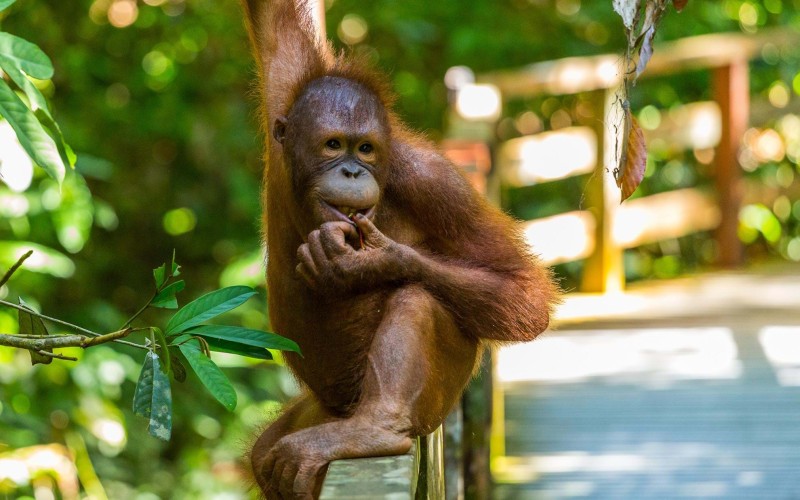
Borneo's orangutans represent one of humanity's closest living relatives, sharing approximately 97% of human DNA. These intelligent, long-armed primates spend their lives in the rainforest canopy, using their strength and agility to navigate between trees.
Orangutan viewing locations:
Sabah region: Sepilok Orangutan Rehabilitation Centre provides guaranteed orangutan encounters in a natural forest setting. Here, rehabilitated orphaned and injured orangutans are reintroduced to the wild. Watch from specially constructed platforms as orangutans swing through trees, feed on seasonal fruits, and interact within their social groups.
Sarawak region: Semenggok Wildlife Centre offers similar experiences with excellent photography opportunities and intimate wildlife encounters.
Conservation context: Borneo's orangutan population has declined by approximately 80% over the past 20 years due to habitat loss. Tourism revenue supports habitat protection and rehabilitation programmes.
Proboscis Monkeys: Borneo's Distinctive Primates
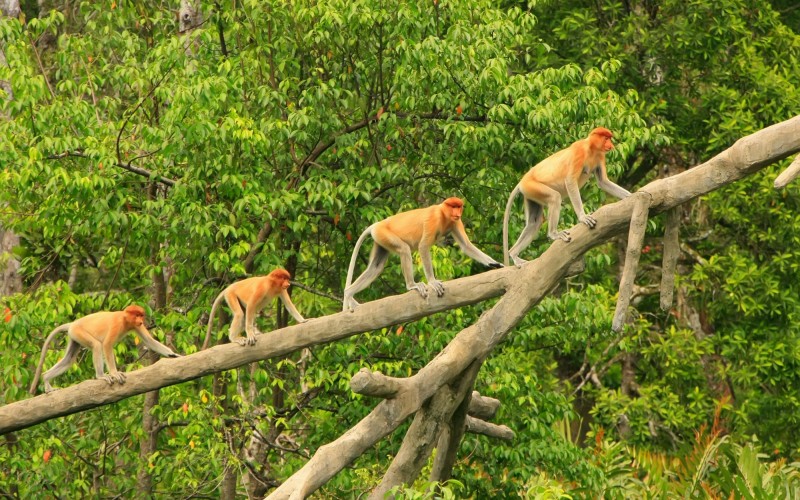
Borneo's proboscis monkeys (as above) inhabit coastal and riverine forests, particularly in Brunei and Sarawak. River-based wildlife tours along Sarawak's Batang Ai provide excellent proboscis monkey encounters. Early morning boat safaris maximize your chances of spotting troops moving through riverside trees.
Pygmy Elephants: Miniature Gentle Giants
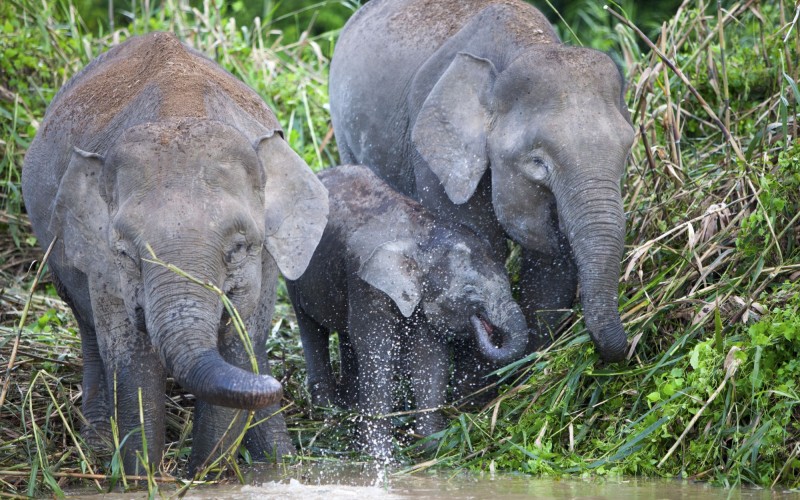
Borneo's pygmy elephants represent a distinct subspecies standing at just 2.4 - 2.7 metres tall, approximately 25% smaller than mainland Asian elephants. Fewer than 2,500 pygmy elephants remain in the wild, primarily in Sabah's Kinabatangan Wildlife Sanctuary. Multi-day riverboat journeys along the Kinabatangan River provide excellent opportunities to observe these miniature giants alongside proboscis monkeys, orangutans, and numerous bird species. The river corridor supports one of the world's highest concentrations of mammalian species diversity.
Early morning and late afternoon boat trips maximise wildlife viewing as animals come to the riverbank to feed and drink.
Birds: Incredible Avian Diversity
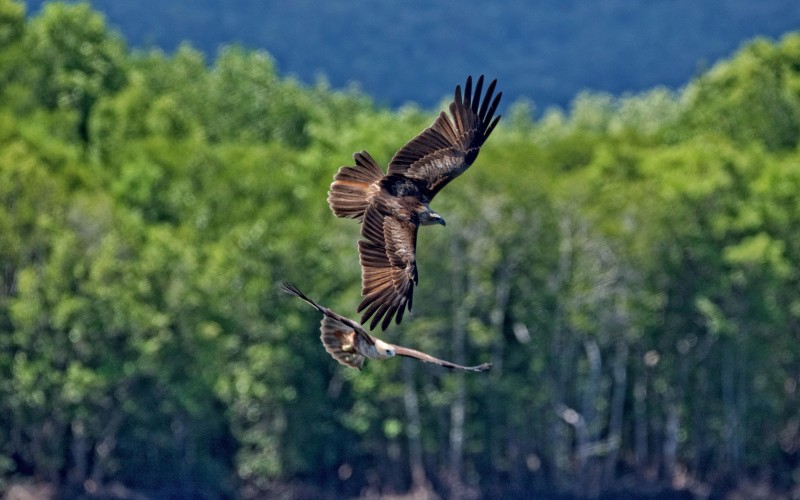
Borneo hosts approximately 420 endemic and native bird species collectively, representing nearly 10% of the world's total bird population despite comprising less than 1% of Earth's land area. Some of the species you can expect to see include Hornbills (spectacular large birds with distinctive casque-topped heads), eagles, parrots, kingfishers, and numerous sunbird and flowerpecker species. Guided forest birdwalks in national parks like Kota Kinabalu (Sabah) and Gunung Mulu National Park (Sarawak) reveal the rainforest's remarkable avian diversity.
TransIndus tip: Early mornings yield the best birdwatching opportunities, when avian activity peaks. Bring quality binoculars and a telephoto lens for optimal viewing and photography.
China: The Iconic Giant Panda
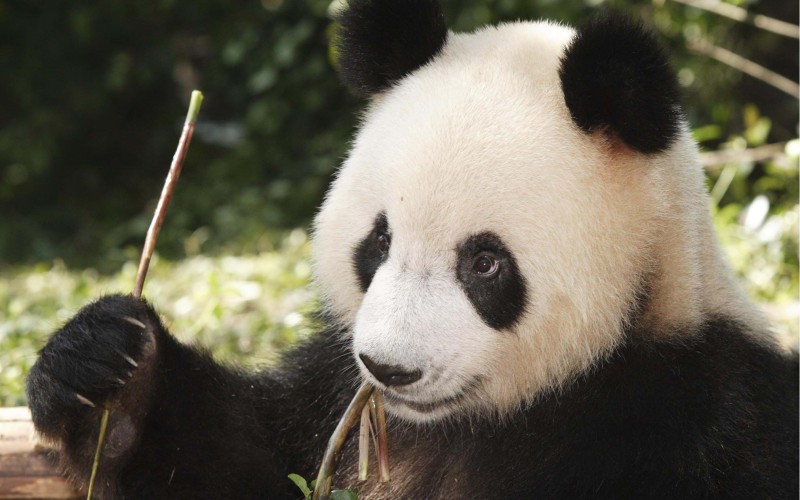
China's Giant Pandas are among the world's most beloved wildlife, symbolizing successful conservation efforts.
Sichuan, especially the Chengdu Research Base of Giant Panda Breeding, is the premier destination to see these gentle giants in habitats designed to mimic their natural bamboo forests. Imagine observing over 200 pandas playing, eating, and resting, together, with highlights including the playful panda nursery and the charming red panda enclosures. Early mornings offer the best chances to see active pandas and capture great photos in soft light.
Beyond the popular Chengdu base, other reserves like Dujiangyan and Bifengxia offer immersive experiences with feeding and habitat care programs, while major cities such as Beijing and Chongqing provide accessible panda viewing in zoos and safari parks. Visiting official reserves supports ongoing protection, making panda tourism both a unique adventure and a contribution to conservation.
Best season: October to April, avoiding the summer heat when pandas are less active.
Thailand: The Land of the Gentle Elephant
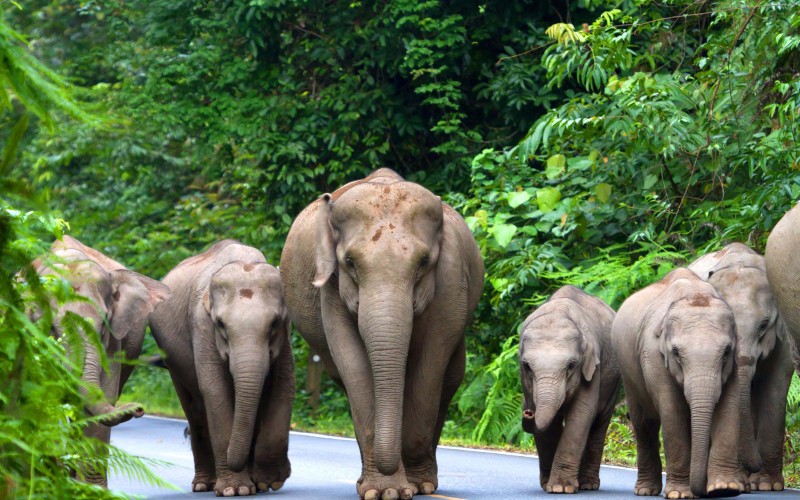
Thailand's Asian elephant population, though reduced to approximately 3,500 individuals, remains central to Thai culture, spirituality, and wildlife conservation. These intelligent, long-lived mammals can live 60+ years and form deep social bonds within family groups.
Premium elephant experiences:
Chiang Mai Elephant Sanctuaries: We will offer responsible sanctuaries within Chiang Mai prioritising elephant welfare over entertainment. The best sanctuaries allow elephants to roam natural forest terrain, bathe in rivers, and exhibit natural behaviours without forced performances or riding. Look for sanctuaries offering genuine interaction opportunities - helping caretakers feed elephants, watching them forage for food, and observing their complex social interactions.
Khao Yai National Park: Thailand's oldest national park provides wildlife viewing experiences alongside elephant encounters. Multi-day camping or lodge stays enable observation of wild elephant herds, Asian buffaloes, gibbons, hornbills, and numerous other species.
Khao Sok National Park: Though elephant sightings are rarer, this magnificent national park in central Thailand is a wonderful jungle experience for all nature and wildlife lovers.
Elephant tourism ethics: Support only sanctuaries meeting certification standards through organisations like the Global Federation of Animal Sanctuaries. Avoid operations involving elephant riding, circus performances, or exploitative activities.
Best season: November to February (cool, dry weather; peak elephant activity).
Planning Your Asian Wildlife Adventure
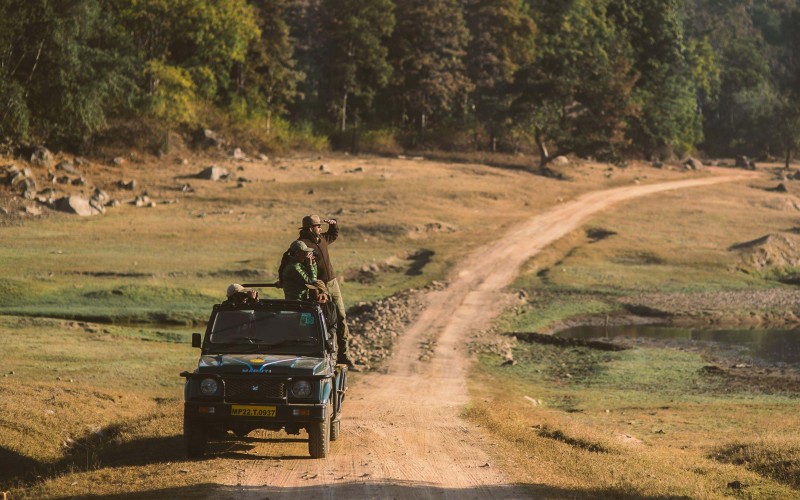
Responsible Wildlife Tourism
Engaging responsibly with wildlife maximises your experience while supporting conservation efforts that protect endangered species for future generations.
- Maintain safe distances: Respect wildlife boundaries; use binoculars and telephoto lenses for optimal viewing without disturbance.
- Support protected areas: Park entrance fees fund habitat protection and anti-poaching efforts.
- Minimise environmental impact: Stay on marked trails, pack out all waste, and avoid single-use plastics.
- Support local communities: Choose guides and accommodation owned by local communities; tips support wildlife protection at grassroots levels at certain resorts.
- Learn before you travel: Research animal behaviour and ecology; understanding species enhances appreciation and prevents inadvertent disturbance.
TransIndus tip: Responsible Wildlife Tourism is always at the forefront of our wildlife adventures. To learn about how you can help to support this cause on your TransIndus holiday, contact us today.
Planning Timeline and Seasonal Considerations
Asia's climate varies dramatically by region. Plan your wildlife adventure considering seasonal factors affecting animal visibility and accessibility.
General seasonal patterns:
- November to February: Cool, dry season across much of Asia; peak visibility for most species; ideal conditions for all wildlife destinations.
- March to May: Hot, dry conditions; water becomes scarce; animals congregate near remaining water sources; excellent viewing opportunities.
- June to October: Monsoon season; reduced visibility in some parks; increased accessibility to certain areas; best season for houseboat experiences in Indonesian rainforests.
Booking and Preparation
Ideally start planning at least 3 months in advance, particularly for popular destinations during peak season. Consider these factors:
- Visa requirements: Most Asian countries offer tourist visas on arrival or through online application systems.
- Vaccinations: Consult travel health clinics regarding required vaccinations (typhoid, hepatitis, Japanese encephalitis, etc.). This applies to most holidays but is particularly important for wildlife holidays!
- Travel insurance: Select comprehensive coverage including wildlife activities and medical evacuation.
- Physical fitness: Some wildlife experiences require walking on uneven terrain; assess physical demands before booking.
- Equipment: Consider binoculars for optimal wildlife viewing, cameras for higher quality photography, hiking boots if your tour includes walking through tough terrain.
TransIndus tip: Speak to our dedicated travel consultants to help plan your wildlife tour in Asia. We're here to help!
Experience Asia's Most Extraordinary Wildlife
Asia's wildlife destinations offer transformative experiences connecting travellers with Earth's most extraordinary creatures. Whether observing one-horned rhinos in Nepal's Chitwan National Park, encountering Komodo dragons in Indonesia, or watching proboscis monkeys from Tanjung Puting's houseboats, Asia delivers wildlife encounters that inspire conservation action and personal transformation.
Each destination tells conservation stories—successes like increasing tiger populations in India's Ranthambore, ongoing challenges like orangutan habitat loss in Borneo, and remarkable achievements like Gir Forest's Asiatic lion recovery.
Plan your Asian wildlife adventure thoughtfully. Support responsible tourism operators, respect local cultures, and embrace the profound privilege of encountering magnificent species in their natural habitats. Your presence and financial support directly fund protection efforts ensuring these iconic species survive and thrive for generations to come.
Asia's wildlife awaits your discovery. Start planning your unforgettable adventure today.
Related Tours
Wildlife of Sri Lanka
13 days from £ 3395 per person
Wildlife of Nepal
12 days from £ 4345 per person

India’s Wildlife – the Big Five
22 days from £ 7395 per person
Golden Triangle and Tigers
9 days from £ 1445 per person

Land of Tigers
11 days from £ 2395 per person
Wild Indonesia
19 days from £ 6495 per person