
06.02.2026 Updated: Amrit Singh
I have travelled widely in China, and each journey has deepened my admiration for the country's extraordinary civilisation, its landscapes, and the quiet continuity of its traditions. For first-time visitors, China can feel vast and complex, but with the right route and thoughtful pacing, it reveals itself with remarkable clarity.
If you are visiting China for the first time, this is the journey I would recommend — a route that balances the country's most important historical sites with moments of calm, beauty and everyday life:
Beijing – Xi'an – Chengdu – Guilin – Yangshuo – Longji – Shanghai
Allow around two weeks for this itinerary. It forms the foundation of how I believe China should be experienced for the first time — whether travelling privately or as part of a carefully curated small group.
Beijing — Imperial Grandeur and Quiet Corners
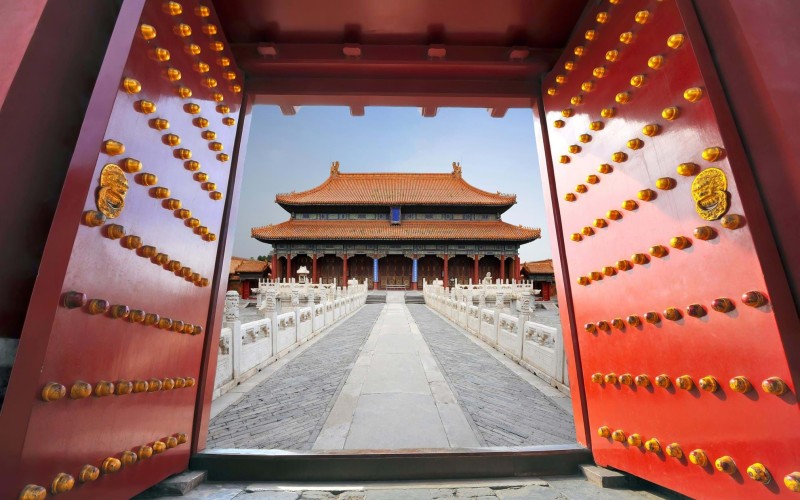
Beijing is where I always suggest beginning. It is the intellectual and ceremonial heart of China, and nowhere else offers such a clear introduction to the thinking that shaped imperial rule.
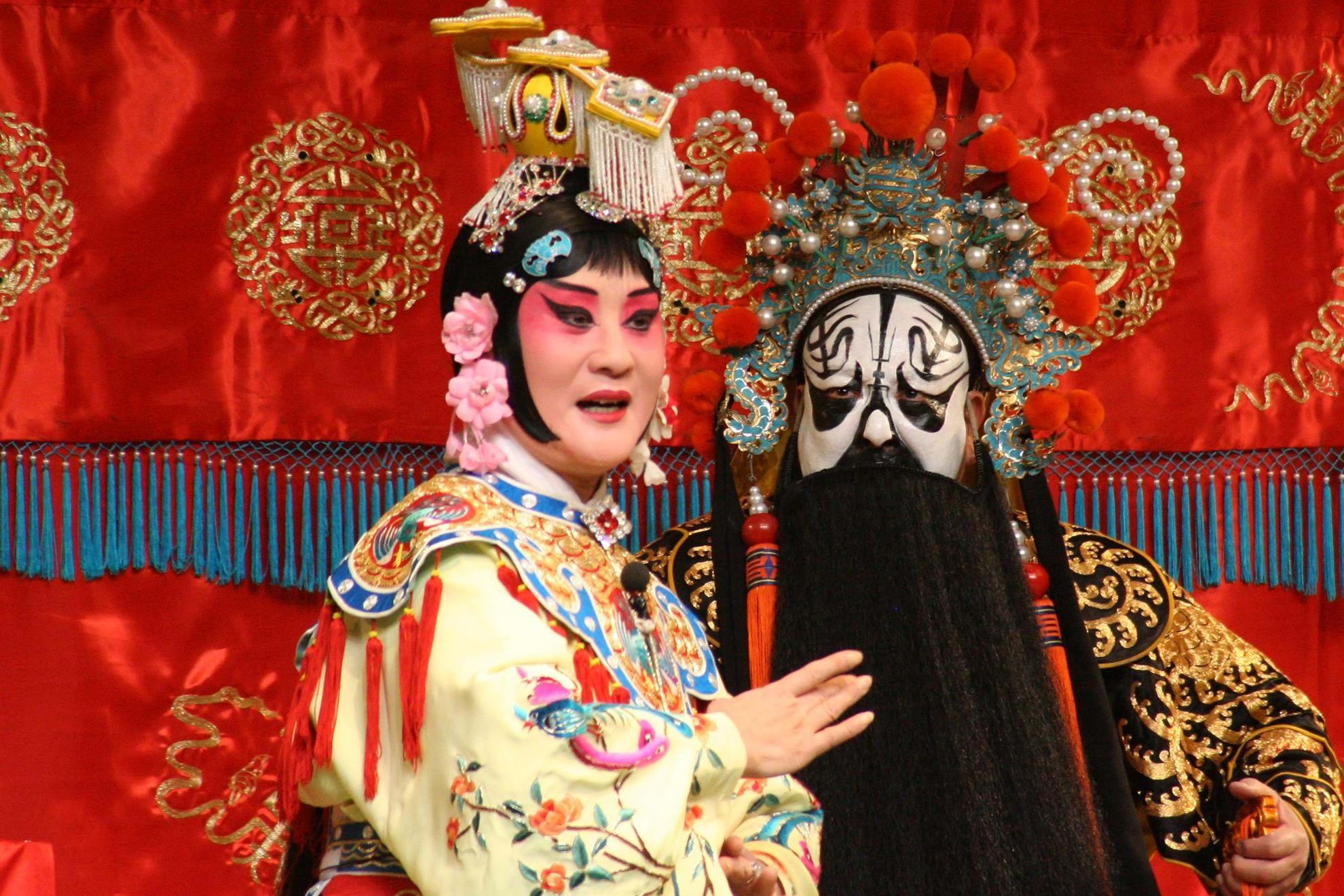
The Forbidden City remains overwhelming in scale, but I encourage visitors to slow down and look beyond its main halls. One of my favourite discoveries is the Empress's private theatre within the Imperial Gardens — an intimate, almost hidden space that reveals the private world behind imperial ceremony and power.
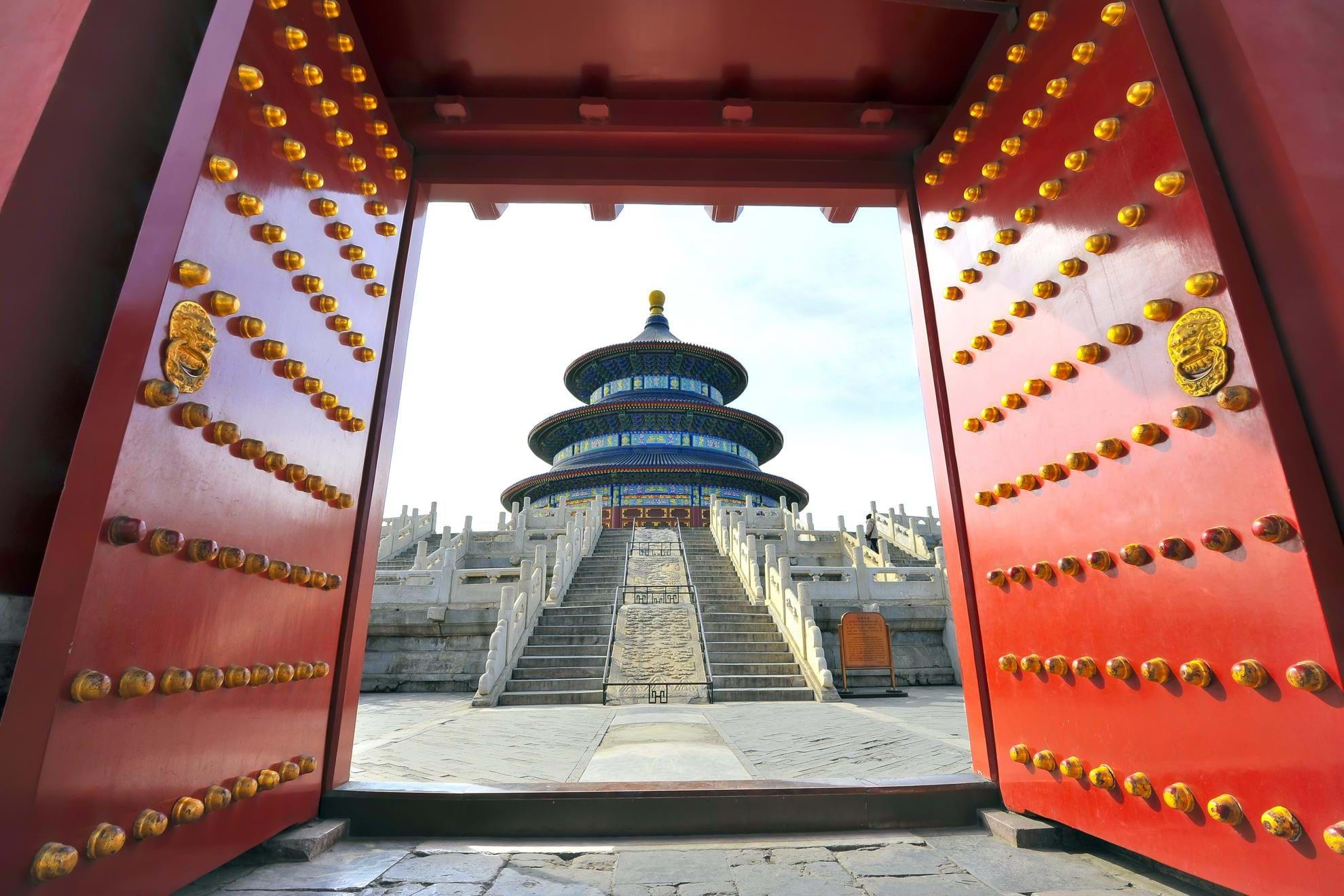
Close by, the Temple of Heaven offers an entirely different atmosphere. It is one of the most graceful and contemplative spaces in the city, particularly early in the morning when local residents gather for tai chi and quiet exercise.
A visit to the Great Wall of China is, of course, essential. Seeing it wind across mountain ridges gives a visceral sense of the ambition and endurance of ancient China.
Where to stay: I strongly recommend staying in one of the smarter boutique hotels within the historic hutongs. They offer a sense of place that larger hotels cannot, and allow you to experience Beijing as a lived-in city rather than a monument.
Xi'an — Ancient Capitals and Living Traditions
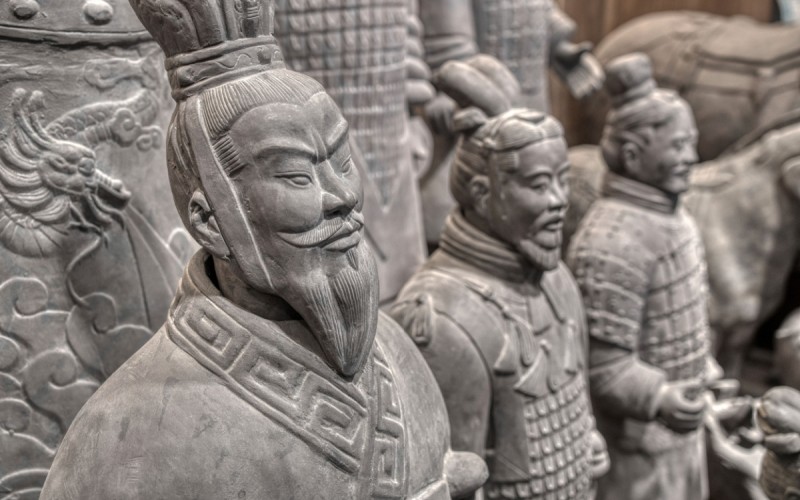
Xi'an is one of China's great historic capitals and the natural next step on a first journey west. The Terracotta Army is every bit as compelling as its reputation suggests — thousands of life-sized figures standing guard in silent formation, each with individual features and expressions.
I would also urge visitors to explore beyond this headline sight. The Shaanxi History Museum provides a superb context for China's early dynasties, while the Famen Temple Museum offers insight into the profound spiritual influence of Buddhism along the Silk Road.
If time allows, I recommend spending a little longer in Xi'an than most itineraries suggest. The atmosphere around the Great Goose Pagoda, particularly in the evening, is vibrant and rewarding.
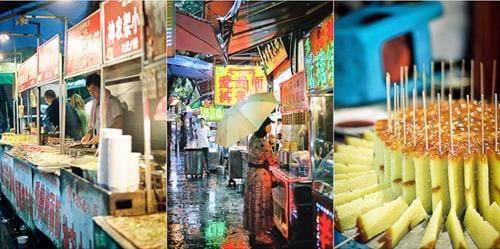
What to eat: Xi'an is one of China's great foodie cities. Seek out local snack dishes such as Biang Biang noodles, fragrant chicken dishes, and freshly steamed bao buns — simple, satisfying food rooted in centuries of tradition.
Chengdu — Gentle Rhythms and Hidden Depths

Chengdu has a softer pace than China's eastern cities, and I find it one of the most rewarding places to slow down. A visit to the Giant Panda Breeding and Research Centre remains unforgettable and highlights China's commitment to conservation.
Beyond pandas, Chengdu is close to one of Asia's most intriguing archaeological discoveries. The Sanxingdui Museum houses extraordinary Bronze Age artefacts from a previously unrecorded civilisation — monumental masks and figures that challenge long-held ideas about early Chinese history.
Where to stay: I always recommend choosing a hotel close to Wenshu Monastery. An early morning walk through the surrounding streets, as the city wakes and incense drifts through the air, offers an extraordinary glimpse into everyday life and Chengdu's deeply rooted spiritual culture.
Guilin, Yangshuo and Longji — China at Its Most Poetic

Southern China reveals an entirely different landscape. Around Guilin, limestone karst peaks rise dramatically from the plains — scenes that appear again and again in classical Chinese painting.
A cruise along the Li River remains one of the most evocative journeys in China, leading to the relaxed riverside town of Yangshuo. From here, exploring by bicycle or bamboo raft on the Yulong River allows you to experience rural life at an unhurried pace.
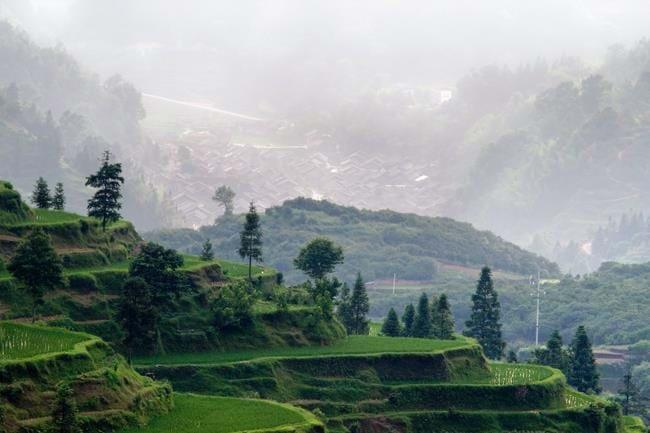
Nearby, the Longji Rice Terraces are among the most impressive agricultural landscapes I have encountered anywhere in Asia. Still cultivated by local minority communities, they demonstrate a remarkable harmony between human ingenuity and the natural world.
An Evening in Shanghai — China Today
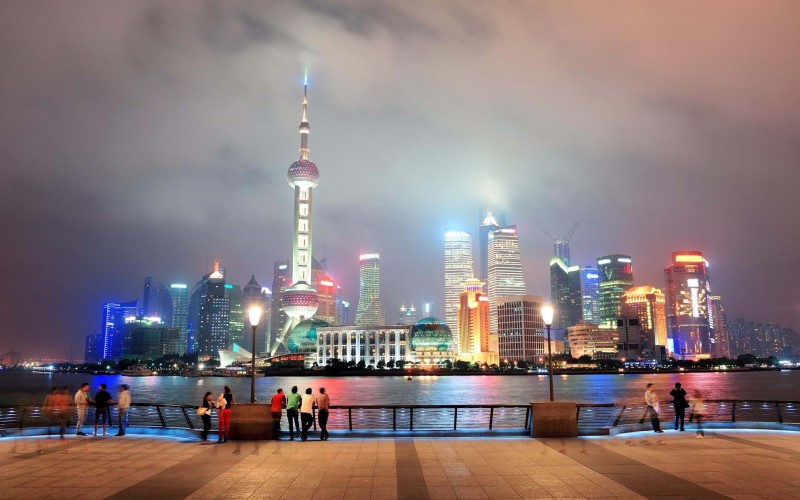
Shanghai provides a fitting conclusion to a first journey through China. Along the Bund, early 20th-century architecture stands opposite the futuristic skyline of Pudong, capturing China's past and present in a single view.
I particularly enjoy Shanghai in the evening. The city's many open-air rooftop bars and restaurants offer excellent views of the river below, where boats glide past the illuminated Bund. Shanghai is also one of Asia's finest shopping cities, whether for international brands or contemporary Chinese design.
Final Thoughts

A first journey to China is not about seeing everything. It is about understanding the rhythms, history and contrasts of a civilisation that continues to shape the modern world. With careful planning, thoughtful pacing and expert guidance, China becomes not overwhelming, but deeply rewarding.
This is the approach we have taken at TransIndus for over three decades — and it remains, in my view, the best way to experience China for the first time.
Practical Travel Advice for First-Time Visitors to China
Language in China
English is not widely spoken outside major hotels and tourist centres. Travelling with experienced local guides greatly enhances both ease and cultural understanding.
Money and Currency
China uses the Renminbi (Yuan). ATMs are widely available, though credit cards are accepted mainly at higher-end hotels and shops. Mobile payment systems dominate everyday transactions.
Food and Dining
Chinese cuisine varies significantly by region. While hotels offer Western options, local restaurants provide the most authentic experiences. Travellers with dietary requirements are advised to carry written translations into Mandarin.
Transport in China
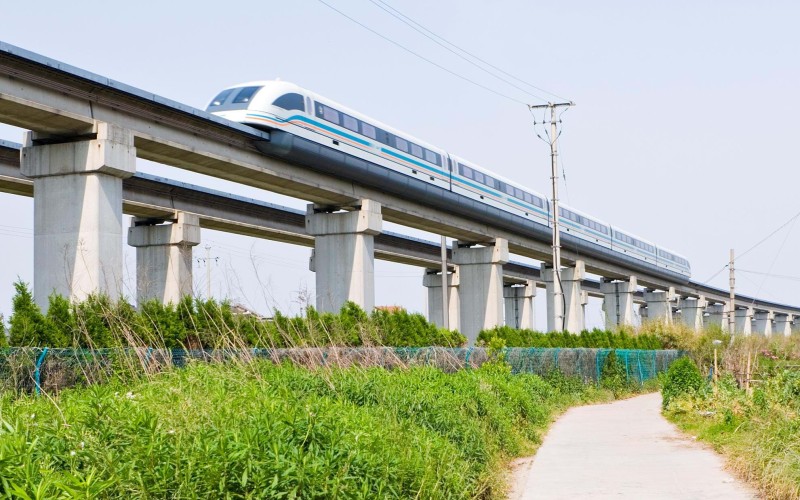
China has one of the world's most advanced transport networks. High-speed trains connect major cities efficiently, while internal flights are commonly used for longer distances.
When Is the Best Time to Visit China?
For most destinations, the best time to travel to China is April to June and September to November, when the weather is comfortable. Tibet and Yunnan can be visited later in the summer. Major Chinese public holidays should be avoided due to heavy domestic travel.
Planning Your China Holiday with TransIndus
Whether you prefer the camaraderie and value of a small-group tour or the flexibility of a tailor-made China itinerary, TransIndus brings over 35 years of specialist experience to every journey we design. From first time visitors, to seasoned travellers who want to explore a new side of China, we can help plan your perfect China tour.
View our China Small Group Tours Explore our Tailor-Made China Holidays
A first journey to China is more than a holiday — it is an introduction to one of the world's great civilisations. With expert planning and thoughtful pacing, it becomes an experience that resonates long after you return home.
Related Tours

China's Celestial Capitals and River Kingdoms
14 days from £ 2795 per person
Essential China
15 days from £ 3995 per person
Classic China
13 days from £ 3250 per person

China Experience
14 days from £ 3995 per person