
12.10.2026 Updated: Amrit Singh
I had long been intrigued by the extraordinary devotion with which Japanese people visit Shinto shrines, often travelling considerable distances to remote corners of the country to pay their respects. What draws them to these sacred places, sometimes hidden deep within ancient forests, far from the bustle of modern Japan? Curious to understand this enduring spiritual tradition, I decided to follow in their footsteps to Ise Jingu, Japan’s most revered Shinto sanctuary.
Nestled among towering cedar and cypress forests in Mie Prefecture, Ise Jingu is no ordinary shrine. It is the spiritual home of Amaterasu Ōmikami, the Sun Goddess and divine ancestor of Japan’s imperial family. For centuries, pilgrims have journeyed here from across the country, seeking blessings, offering prayers and paying homage to a deity whose presence is deeply woven into Japan’s national identity.
Amrit Singh, Managing Director of TransIndus, reflects on her latest visit to Japan, a destination the company has been creating tailor-made luxury holidays and escorted group tours to for more than 20 years.
Through the sacred forest
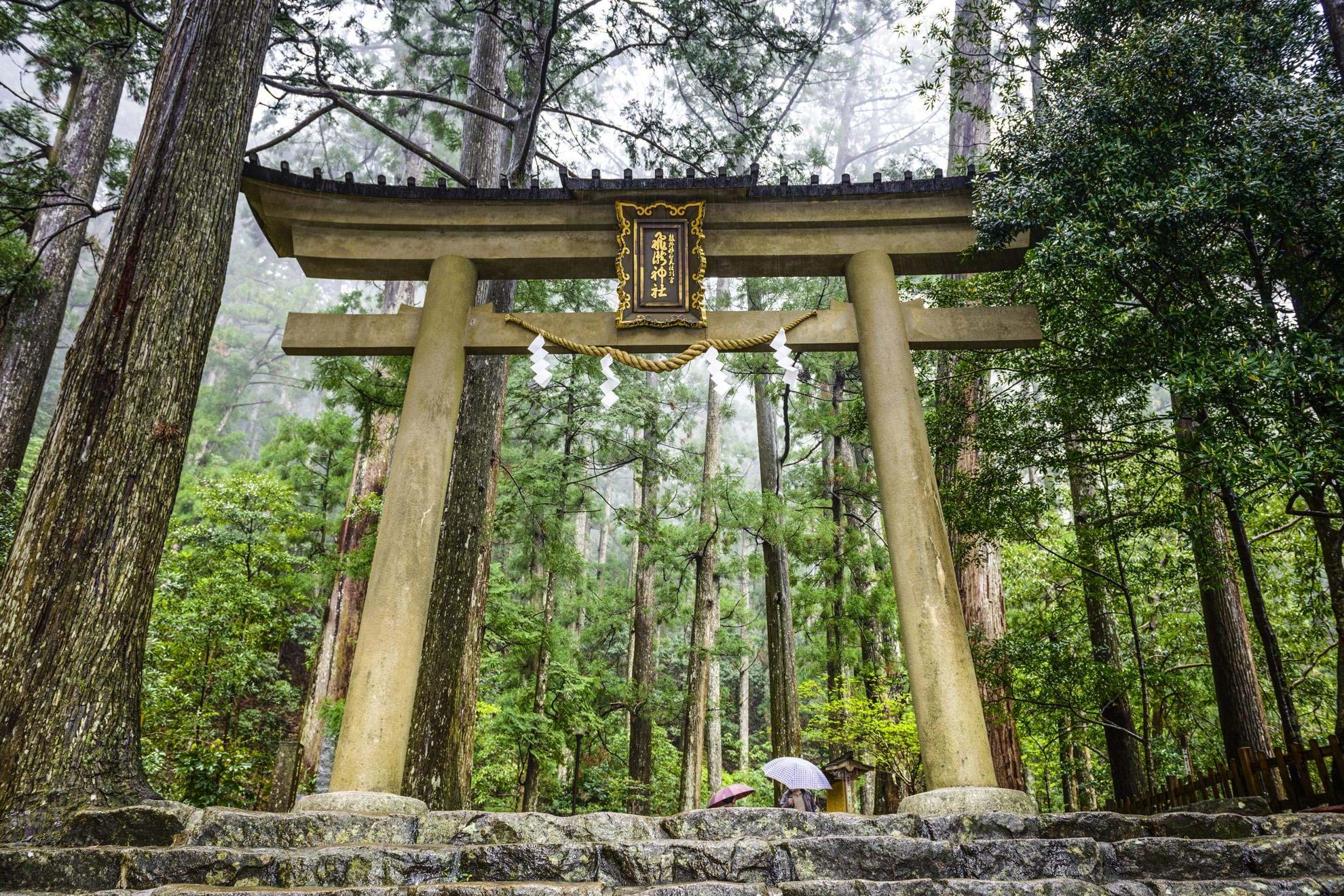
My introduction to the spiritual world of Ise began as we crossed the graceful wooden Uji Bridge leading into the Inner Shrine. Our guide gently ushered us away from the centre of the walkway, explaining that it was traditionally left clear for the divine spirits, or kami, whose presence is believed to permeate these sacred surroundings. It was such a simple gesture, yet one that immediately transported me into a world where the spiritual and the everyday coexist quite naturally.
Beyond the bridge, broad gravel paths wound through magnificent woodland, past towering trees whose enormous trunks seemed to embody the passage of time. The air was cool and peaceful, disturbed only by the crunch of footsteps on gravel and the occasional murmur of conversation.
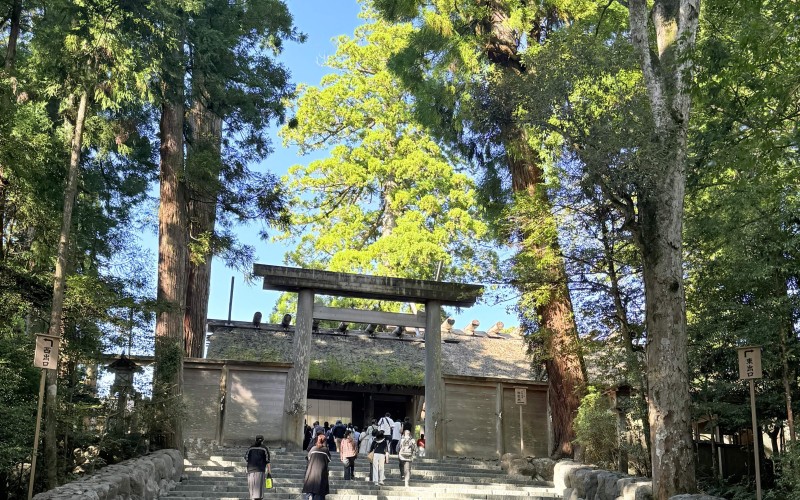
Before approaching the shrine, we stopped beside the pristine waters of the Isuzu River, shimmering in the dappled sunlight. Here, following an ancient purification ritual, we rinsed our hands in the cool, clear water, symbolically cleansing ourselves before entering the sacred precincts. There was something deeply moving about this simple act, performed in such a beautiful natural setting, and I began to understand how closely Shinto beliefs are intertwined with reverence for nature.
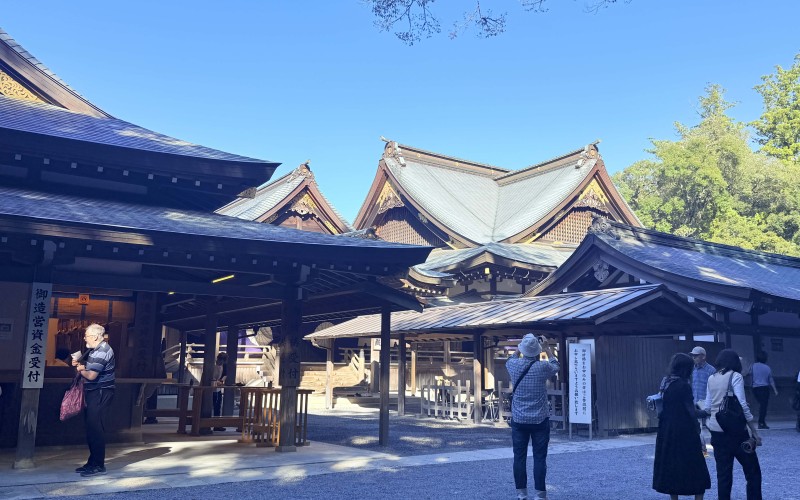
Ise Jingu is actually a collection of 125 shrines, centred on two principal sanctuaries: the Inner Shrine, Naikū, dedicated to Amaterasu, and the Outer Shrine, Gekū, dedicated to Toyouke Ōmikami, the deity associated with food, agriculture and the nourishment of life. Our guide explained that very few pilgrims attempt to visit all 125 shrines. Instead, most return to their favourites, developing a personal connection with particular sacred places over a lifetime.
The shrine buildings themselves are striking in their simplicity, constructed from unpainted Japanese cypress, with steeply pitched roofs. There is little ornamentation or ostentatious grandeur. Their beauty lies in the purity of their form and their harmony with the surrounding forest.
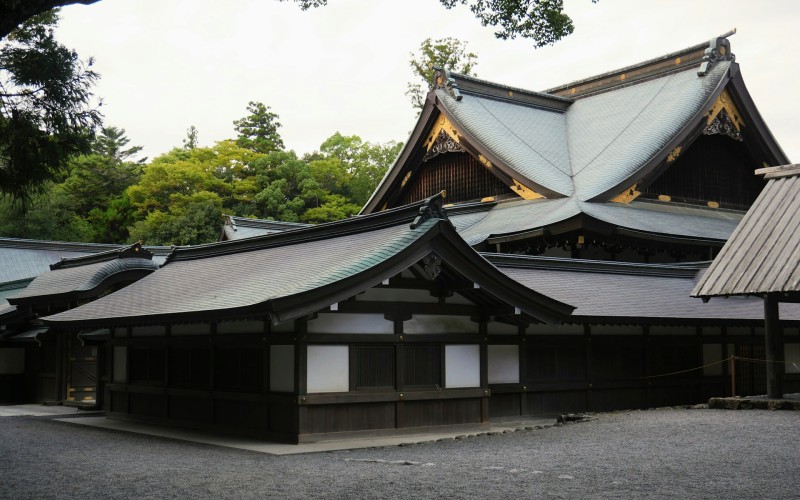
Remarkably, the principal sanctuaries are completely rebuilt every twenty years, following a tradition that has endured, with occasional interruptions, for some thirteen centuries. Known as Shikinen Sengū, this extraordinary ritual embodies the Shinto principles of renewal and continuity, while preserving ancient craftsmanship and skills across generations.
At the main sanctuary, I watched the steady procession of Japanese worshippers approaching to offer their prayers. Following their example, I tossed a coin into the offering box, bowed twice, clapped my hands twice and quietly shared a little prayer with the spirits, hoping that my wish might come true. I bowed once more before moving on.
It was a brief and uncomplicated ritual, yet I walked away with a serene contentment quite unlike anything I had experienced before. Perhaps it was the tranquillity of the forest, the simplicity of the ceremony or the quiet conviction of those around me. Whatever the reason, I felt an unexpected connection with a tradition that, until that morning, had been entirely unfamiliar to me.
The lively streets beyond the shrine
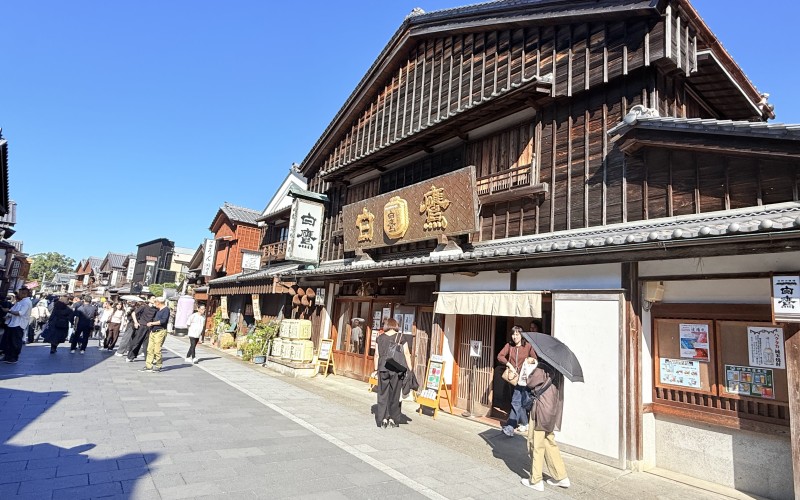
Just beyond the sacred precincts, another side of Ise awaited us.
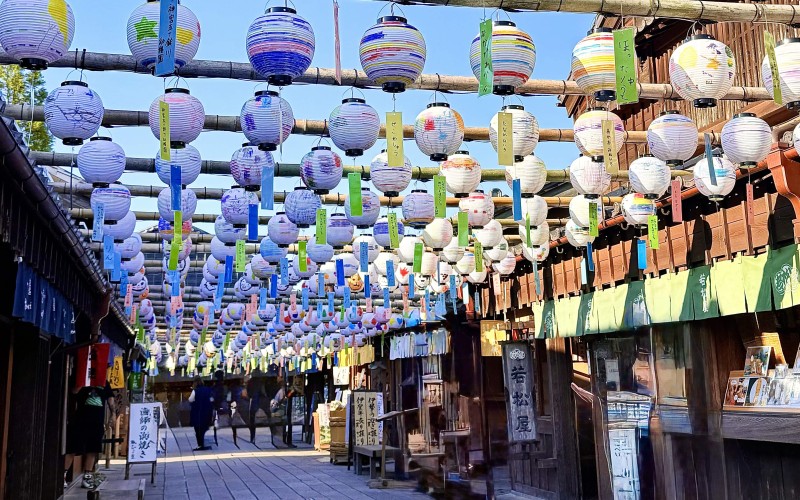
A short stroll from the Inner Shrine brought us to Oharaimachi, a historic pilgrimage street lined with traditional wooden buildings, tiled roofs, little shops and inviting eating houses. Here, the quiet of the forest gave way to cheerful conversation, tempting aromas and the gentle bustle of visitors enjoying themselves.
.jpg?h=500&w=800&fit=crop-50-50-1)
The adjoining Okage Yokocho was particularly charming. This recreated market quarter, drawing on historic buildings from Japan’s Edo and Meiji periods, had narrow lanes filled with food stalls, traditional confectioners, craft shops and restaurants serving regional specialities.
There was freshly grilled seafood, thick Ise udon noodles and an enticing selection of traditional Japanese sweets. I particularly enjoyed Akafuku Gōri, a refreshing mound of finely shaved ice drenched in sweet green-tea syrup, with soft mochi and red-bean paste hidden beneath its snowy surface. Every spoonful brought a different combination of flavours and textures.
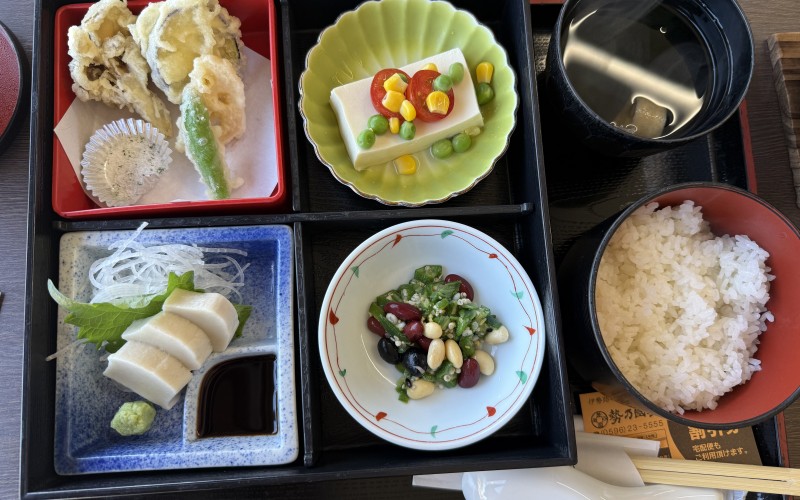
What delighted me most was the wonderful contrast between the reverence within the shrines and the almost festive atmosphere outside. Families who had stood quietly in prayer were now laughing and chatting over food, elderly pilgrims browsed traditional shops, and younger visitors sampled local delicacies.
There was nothing incongruous about it. Rather, the markets and eating houses seemed a natural extension of the pilgrimage itself, lending colour, warmth and a welcome touch of levity to the solemnity of worship. It was a gentle reminder that spirituality and the simple pleasures of everyday life need not be separate experiences.
Discovering another side of Japan
Ise Jingu offered me a glimpse of a Japan that is not always apparent amid the neon lights of Tokyo or the celebrated temples of Kyoto. Here, ancient beliefs are not merely preserved as history but remain a living, deeply personal part of everyday life.
And perhaps I had found the answer to the question that first brought me here. The Japanese do not visit these shrines simply to admire their architecture or contemplate their history. They come to reconnect with something older and more enduring: their relationship with nature, their ancestors and the traditions that bind them together.
As I left Ise, I carried with me not only memories of magnificent forests, ancient rituals and bustling market streets, but also that unexpected feeling of inner peace. I had arrived as a curious traveller and departed with a little of the serenity that has drawn pilgrims here for centuries.
Related Tours

Sacred Trails of Japan
15 days from £ 6995 per person
Japan Discovery
20 days from £ 8995 per person